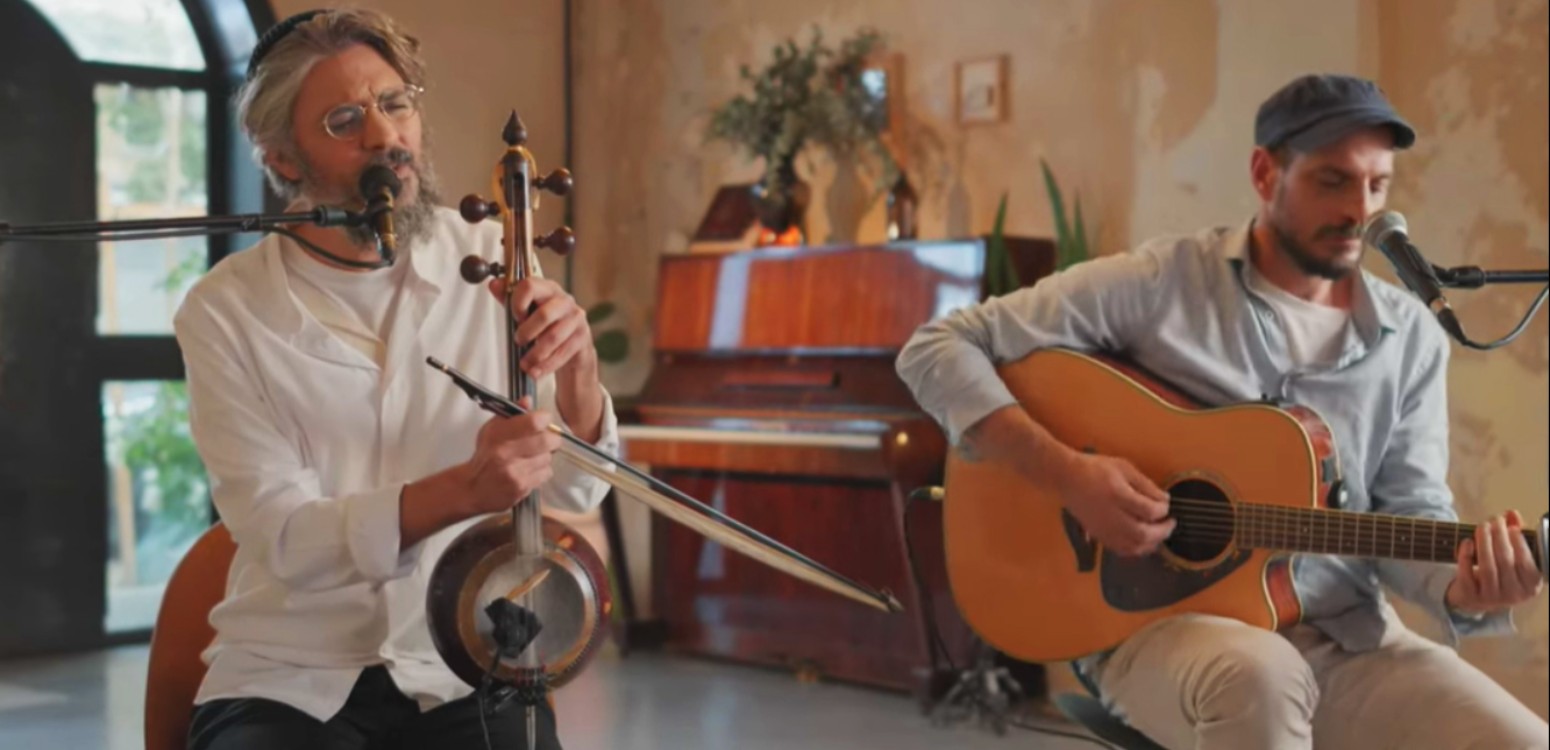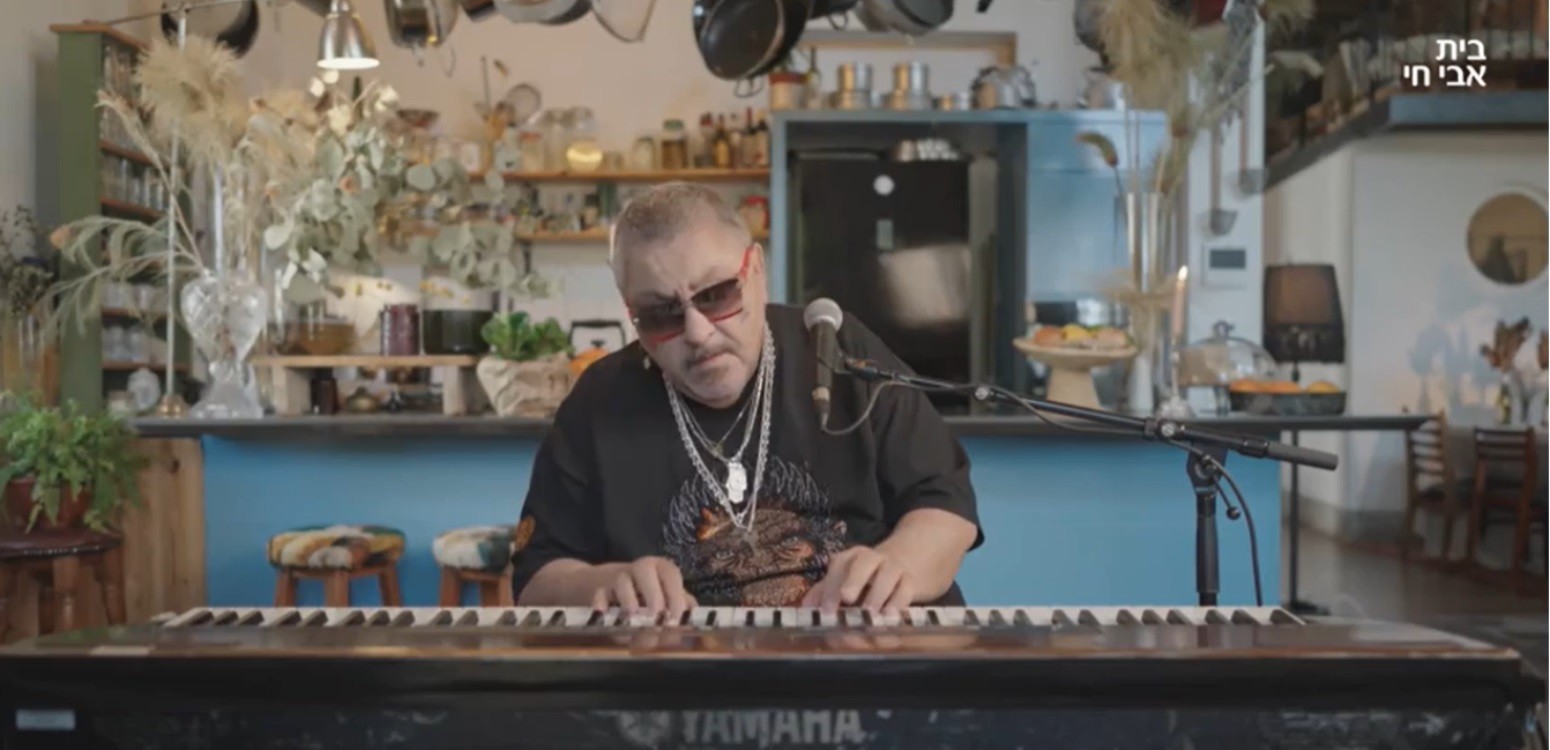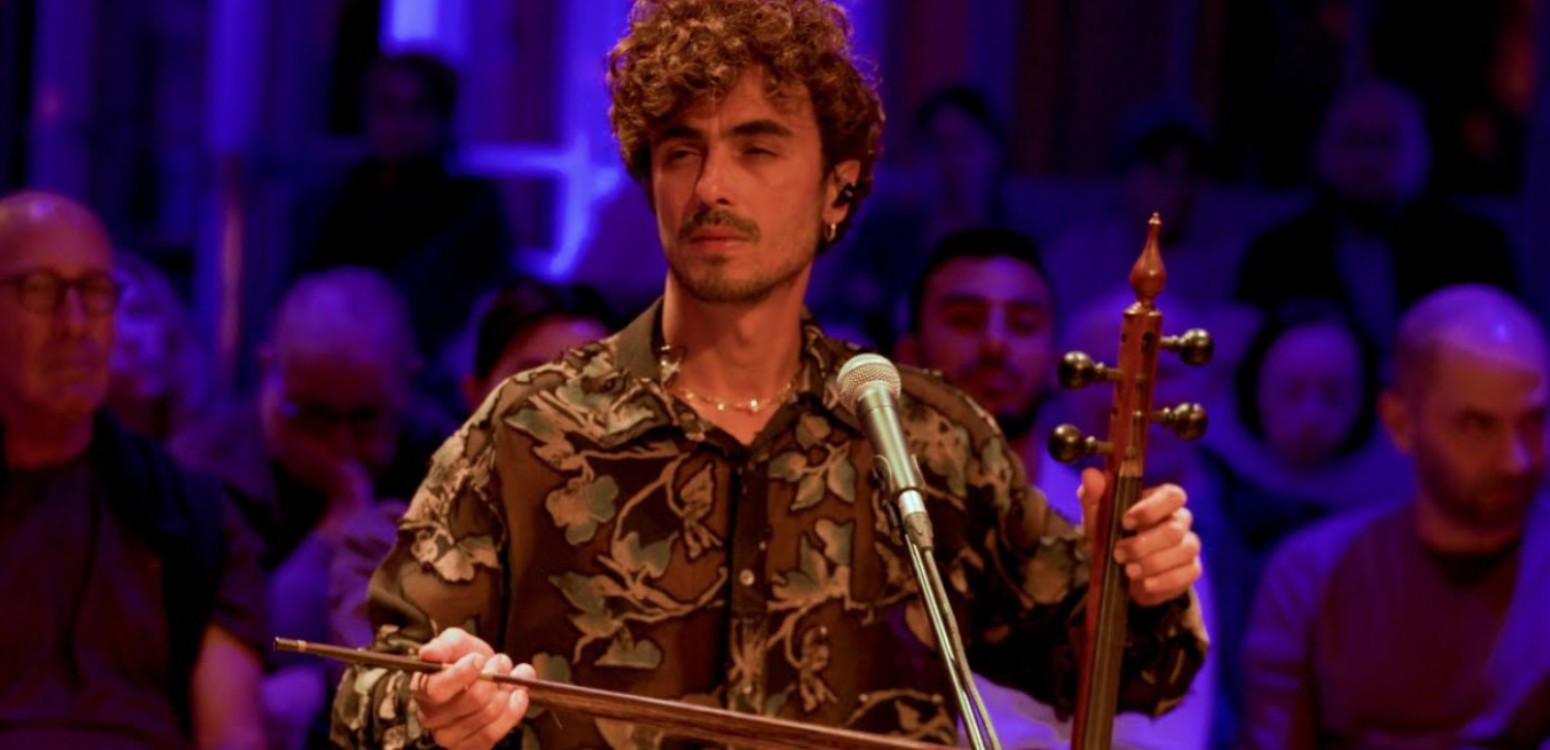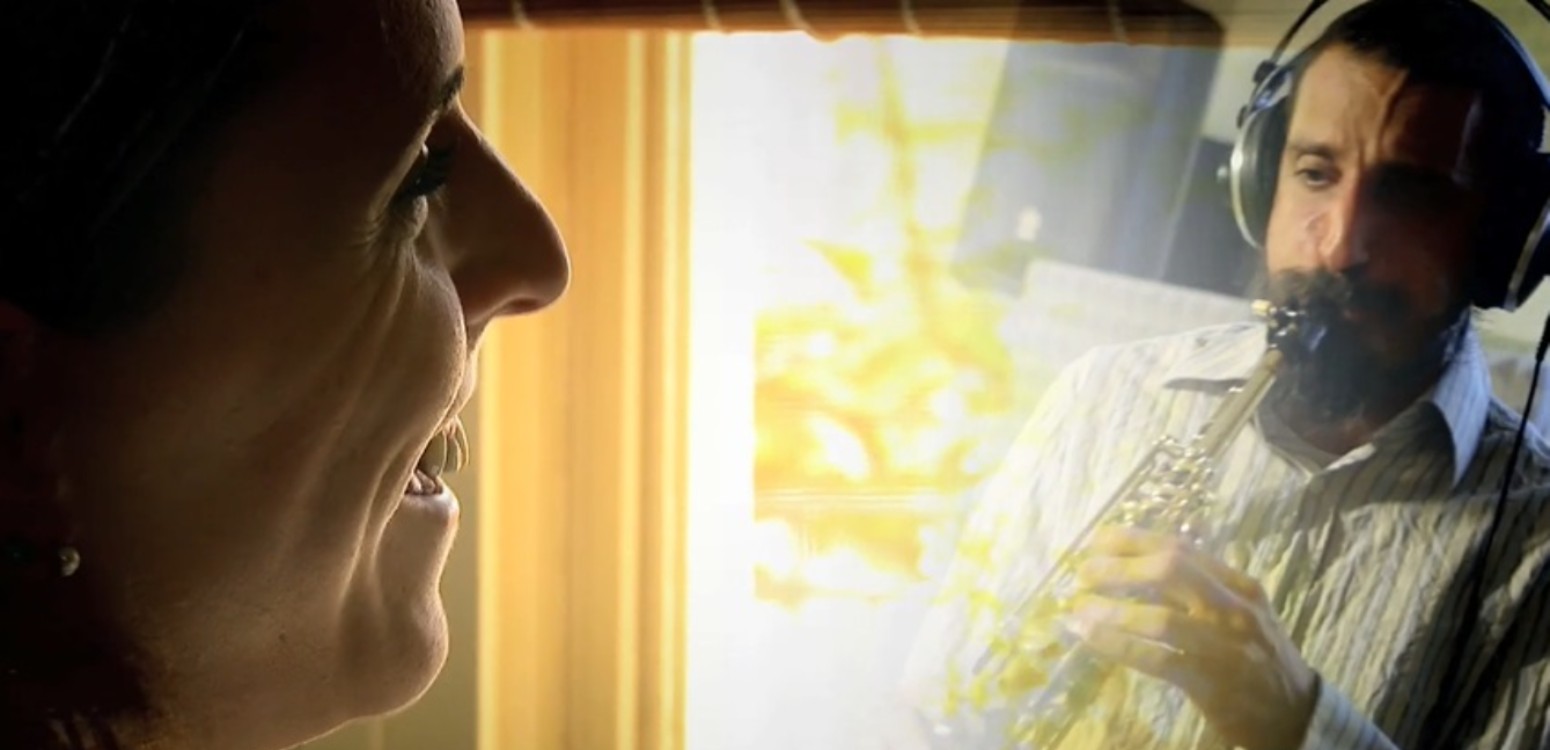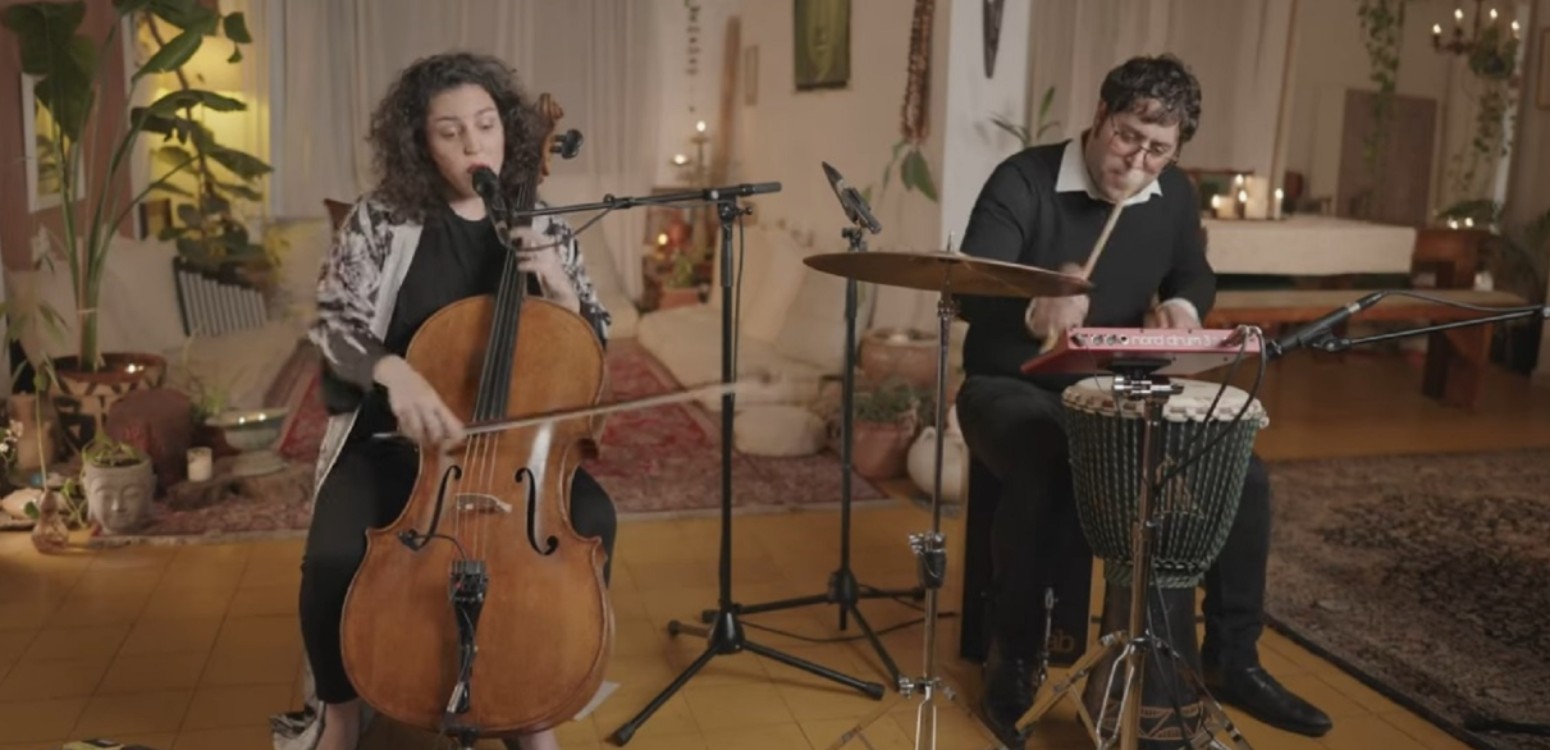
Ani Ma’amin (“I Believe”)


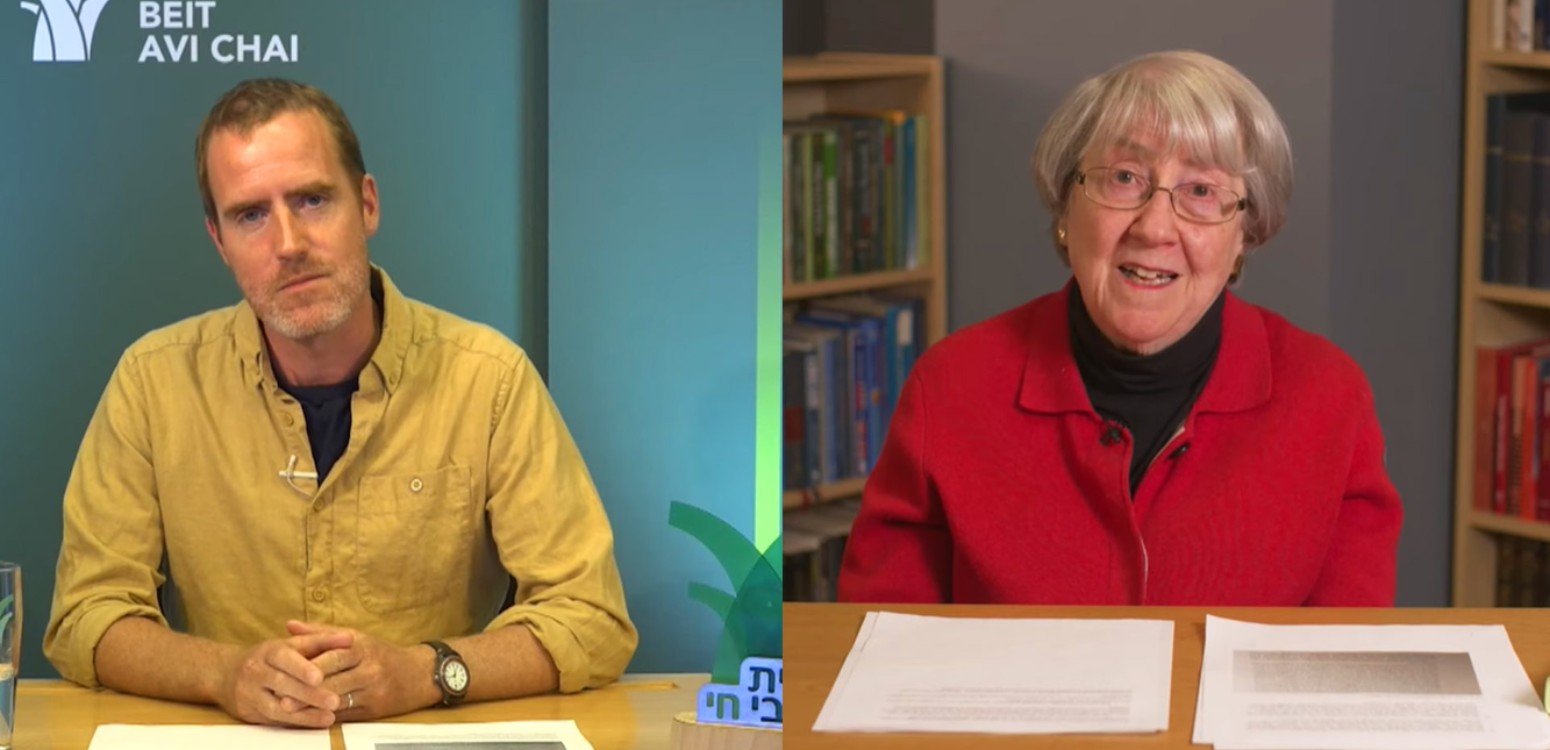
It is commonly believed that Ladino was simply the Spanish spoken by the Jews of Spain before the Expulsion. The reality, however, is far more complex. Before the Expulsion, explains Professor Eliezer Papo – president of the National Authority for Ladino Culture in Israel and chairman of the Moshe David Gaon Center for Ladino Culture at Ben-Gurion University of the Negev – Jews throughout the Iberian Peninsula spoke the local language of the region in which they lived: Castilian in Castile, Aragonese in Aragon, Catalan in Catalonia, Portuguese in Portugal, Arabic in Granada.
“At that stage, there was no such thing as a Judeo-Spanish language, just as today you couldn’t say that American Jews speak ‘Jewish English,’ says Papo. “A Jew living in Alabama speaks English with an Alabama accent and dialect, while a Jew in New York speaks New York English. The fact that both of them sprinkle Hebrew, Yiddish, or Judeo-Arabic words into their English doesn’t make it a Jewish language. They’re still speaking the local language.”
According to Papo, Ladino came into existence only after the Expulsion. Before the Expulsion, every local language had a Jewish flavor. The Expulsion, he argues, not only uprooted those Jews who refused to convert to Christianity, but also created the conditions for the birth of an entirely new language.
“The exiles from different parts of the Iberian Peninsula suddenly found themselves living side by side. Each community brought with it its own customs, legal traditions, liturgy, and local language.”
.jpg)
Papo describes the XVI-century as an age of unification.
“After several unsuccessful attempts to establish halakhic unity – including Rabbi Jacob Berab’s failed effort to restore the Sanhedrin – came Rabbi Joseph Karo’s monumental achievement. He unified the rulings of Maimonides, Isaac Alfasi, the Tur, and Asher ben Jehiel into the Beit Yosef, which was later condensed into the Shulchan Aruch. Just as the Jewish world became unified around Jewish law through the Shulchan Aruch, so the descendants of the Spanish exiles became united through the Ladino language.
The language continued evolving in the Ottoman Empire: “Ladino was also shaped by the contact languages – the languages Jews used in everyday life throughout the Ottoman world. In the Balkans these included Turkish, with its many Arabic and Persian elements, as well as Greek, Serbian, and Bulgarian. In Asia Minor the dominant influence was Greek, while in the Middle East it was spoken Arabic.
“When Sephardic Jews encountered new Ottoman institutions and customs in the Middle East, Asia Minor, and the Balkans, they adopted both the phenomena and their Ottoman names.”
A Spain born in exile
It was the Expulsion itself, Papo argues, that gave rise to a shared Sephardic consciousness. “Before the Expulsion, the Jews of Spain saw themselves primarily as Jews. In fact, they generally began identifying themselves as ‘Sephardic’ only after they had left Spain. Their sense of identity centered on what made them different from other Spaniards. But once they were expelled, they began asking a different question: what makes us different from other Jews?”
The Expulsion created what Papo calls a “virtual Spain,” resting, like a sturdy chair, on four legs:
“The first leg was the Judeo-Spanish language. It emerged through the predominance of Castilian while incorporating Portuguese, Catalan, Valencian, Aragonese, and other linguistic influences, ultimately becoming the common language of the exiles and their descendants. The second leg was Jewish law and its consolidation. Just as Rabbi Joseph Karo’s Shulchan Aruch unified Jewish legal practice, it also helped create a shared religious framework for Sephardic communities. The third leg was avodah – that is, prayer. This, too, reached unity only with the spread of Lurianic Kabbalah. Through its influence, the liturgy developed in Safed was adopted not only by all Sephardim but also by all Mizrahi Jews and by the majority of Ashkenazim. And the fourth leg was the sea. Sephardic communities that settled more than three days’ journey away from the Mediterranean eventually lost their distinctive identity. Those who moved east gradually became Arabic-speaking Jews, while those who went north were absorbed into Ashkenazi culture. Only the communities that remained around the Mediterranean basin – or within reasonable reach of it – maintained continuous contact with one another. These are the four pillars upon which post-Expulsion Sephardic Judaism was built.”
The women who preserved Ladino and expanded its boundaries
Papo points to women as the principal guardians – and creators – of Sephardic tradition.
“We have to distinguish between written literature and oral literature. Until the modern era, women played virtually no role in written literature because they were not taught to read and write. Oral literature, by contrast, was overwhelmingly their domain. In the Sephardic world this included romances, chivalric ballads, proverbs, folktales, riddles, healing incantations, and so on.
“It wasn’t only women who knew these traditions and passed them on to the next generation – men knew them too. But there’s a reason we speak of a ‘mother tongue’ rather than a ‘father tongue.’ Children learn language from their mothers. And how do they learn it? Through what we call folklore. For most of history, fathers were busy. Children spent most of their time with their mothers, who taught them the language through songs, stories, and proverbs.
“Women were the main link in transmitting the oral tradition, but they didn’t merely preserve it – they created it as well. Roughly half of the Sephardic romance tradition consists of ballads that Christians, Jews, and Muslims in Spain all sang before the Expulsion, and which survived in the Ottoman Empire. Another quarter consists of entirely new songs composed by Sephardic Jews – primarily women – after the Expulsion. The final quarter comprises romances that the exiles brought with them from Spain but transformed so extensively over time that they became, if not entirely new works, then at least independent and highly creative reinterpretations of the originals.”
One striking example is how women reimagined biblical narratives, particularly the story of Dinah.
“For centuries, the story of Dinah’s rape was used by traditional male interpreters to justify restricting women to the private sphere. Scripture says, ‘Now Dinah, the daughter whom Leah had borne to Jacob, went out...’ (Genesis 34:1). The traditional interpretation asks: why does the verse specify that she was Leah’s daughter? Because, it says, just as Leah ‘went out’ to meet Jacob, Dinah also ‘went out.’ The implication is that both women were immodest. According to this reading, had Dinah stayed at home, the rape would never have happened. The lesson was clear: women should remain in their proper place.”
Women’s versions told a different story: “It was important for women to deconstruct this traditional male interpretation. In their version, Dinah does not go out alone but with her brothers. Shechem courts her; they sleep together; afterwards they marry. The two central themes of the traditional narrative – rape and revenge – simply disappear from the women’s version of the story.”
Papo emphasizes that this transformation did not end with oral tradition. As Western culture entered Sephardic communities in the modern era, women’s place in literary life changed as well. “The classical written literature of Sephardic culture consisted of biblical commentary, ethical writings, Kabbalah, and halakhah. Sephardic men wrote these works in a blend of Hebrew, Aramaic, and Judeo-Spanish. Women had no place in that literary world.
“With the arrival of Western culture and Western literature, men were the first to encounter it. They began by translating plays and novels, then adapting them, and eventually producing original works of their own. Later, women entered the literary sphere as well. Laura Papo Bohoreta of Sarajevo (1891–1942), for example, became the first Ladino playwright. What’s particularly fascinating is that after women began writing lyric poetry, plays, and fiction, some also entered the traditionally male genres. Reina Cohen of Salonika, for instance, wrote a commentary on the Book of Daniel in Ladino. In the modern period, women began writing not only in new literary forms but also in the classical genres that had previously belonged almost exclusively to men.”
Folklore: Becoming like everyone else while remaining yourself
For Papo, folk literature is a delicate balancing act that lets minority communities integrate without assimilating. He illustrates this through Juha, a stock trickster figure of Middle Eastern folklore:
“How does it work? You adopt a hero from the surrounding culture – Juha – but you reshape him in your own image. In most Juha stories, his ethnic identity is deliberately vague. Sometimes he’s Muslim, sometimes Jewish, and often he has no defined identity at all. Juha has two faces. On the one hand, he’s a trickster; on the other, he’s naïve. In some stories he’s a fool, while in others he outwits everyone around him. The stories in which Juha is explicitly Jewish reveal the mechanism most clearly. Whenever Juha is introduced as a Jew, he is usually portrayed as the biggest fool among the Jews – and yet still wiser than the non-Jews. Even the most foolish Jew turns out to be cleverer than Christian sages, Muslim scholars, or even the sultan himself.”
“Not all Juha stories revolve around this idea. Many are simply jokes or moral tales. But through folk literature we can see how adopting elements of the surrounding culture brings you closer to your neighbors, while reshaping those elements in your own way preserves what makes you unique.”
Papo argues the same principle operates in music.
“Take for example synagogue music. Most Israelis know that Sephardic and Mizrahi Jews sing the Sabbath and festival prayers to Arabic, Persian, Turkish, Judeo-Spanish, Greek, Serbian, and Bulgarian melodies. Imagine a Christian walking past a synagogue in Thessaloniki. He hears a melody he immediately recognizes – a Greek love song – and can even hum along. He thinks to himself: These Jews aren’t arrogant. They’re not insisting on Mozart. They’re participating in the local culture. They’re part of us.
“So have the Jews assimilated? Not at all. They have succeeded in being similar, yet different – and, in their own eyes, better. They took the melody of a Greek love song and used it in prayers. To the Greek listener, they were signaling that they belonged to the same cultural world. But at the same time, they could say to themselves: While the Greeks sing this melody about a beloved’s curls, eyes, and lips, we sing about what is happening in heaven. We are very much like the Greeks – only better.”
This article was originally published in Hebrew.
Main Photo: Prof. Eliezer Papo