Ani Ma’amin (“I Believe”)


On June 15, 2026, Beit Avi Chai partnered with President Isaac Herzog and First Lady Michal Herzog at the President’s Residence to mark the 150th anniversary of Shaul Tchernichovsky’s birth. Through poetry, music, conversation, and study, the program explored why one of the founding voices of modern Hebrew poetry continues to resonate so powerfully in Israel today.
Before the formal program began, the lawns of the President’s Residence filled with dozens of Jerusalem teenagers and young adults participating in Beit Avi Chai’s year-round educational programs. Sitting in study circles, they engaged with Tchernichovsky’s poetry through the prism of Jewish and Israeli thought – an embodiment of one of the institution’s central missions: bringing the great voices of Jewish and Hebrew culture into conversation with a new generation.
The encounter between the words of one of Hebrew literature’s greatest poets and a younger generation is far from self-evident today. Yet it reflects Beit Avi Chai’s conviction that the great texts of Jewish and Israeli culture still possess the power to inspire, connect, cultivate, and shape the society in which we live.
“Not long ago, Michal and I visited the family of Staff Sergeant Adam Tzarfati, OBM, who fell in battle in southern Lebanon,” President Isaac Herzog said in opening the program. “I asked his mother, Mali, why she named her son Adam, and she gave me such a simple answer: it’s the most important word. We are all human beings – bnei adam. Part of the human fabric of the family of man. It includes everything.”
This year’s program, held in partnership with Beit Avi Chai, paid tribute to Tchernichovsky (1875–1943) on the 150th anniversary of his birth, with particular attention to his celebrated poem Ani Ma’amin (“I Believe”).
“Tchernichovsky’s is the poetry of a person in covenant with the world,” President Herzog continued. “Someone who feels at home in nature and who, through life’s storms, still sings profound songs of love. Most astonishing is that he wrote these poems in a Hebrew that was only just awakening after centuries of exile.
“In today’s painful reality – in Israel and across the region – his words remain deeply relevant. They remind us that it is possible to love one’s people and homeland while remaining in covenant with the world, a loving brother to every human being simply because they are human.”
The Power of Words
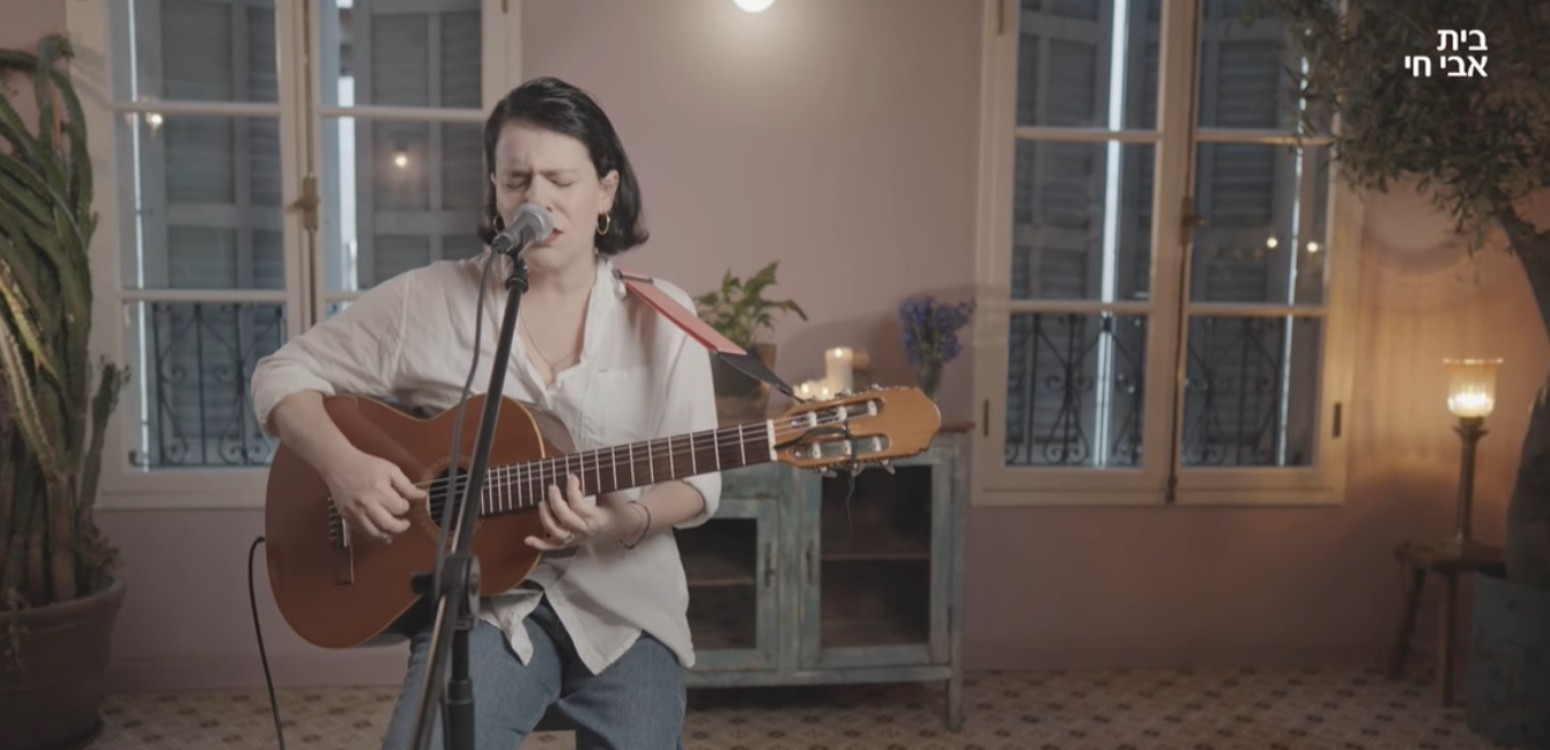
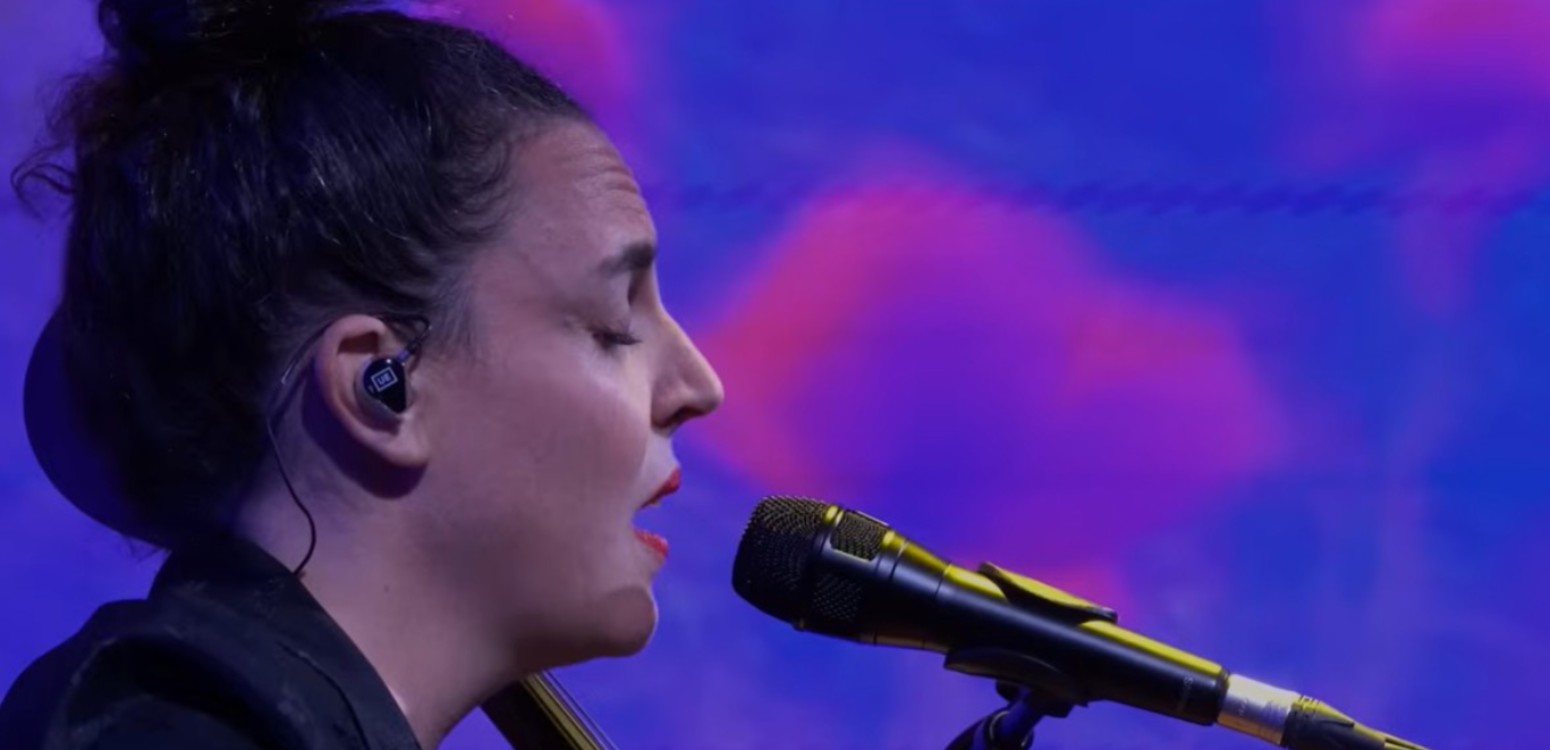
Love of the land, humanity, and the Hebrew language formed the central thread of the program. These themes found expression in singer Rona Kenan’s moving performances of Tchernichovsky’s poems set to music, as well as in readings from his poetry.
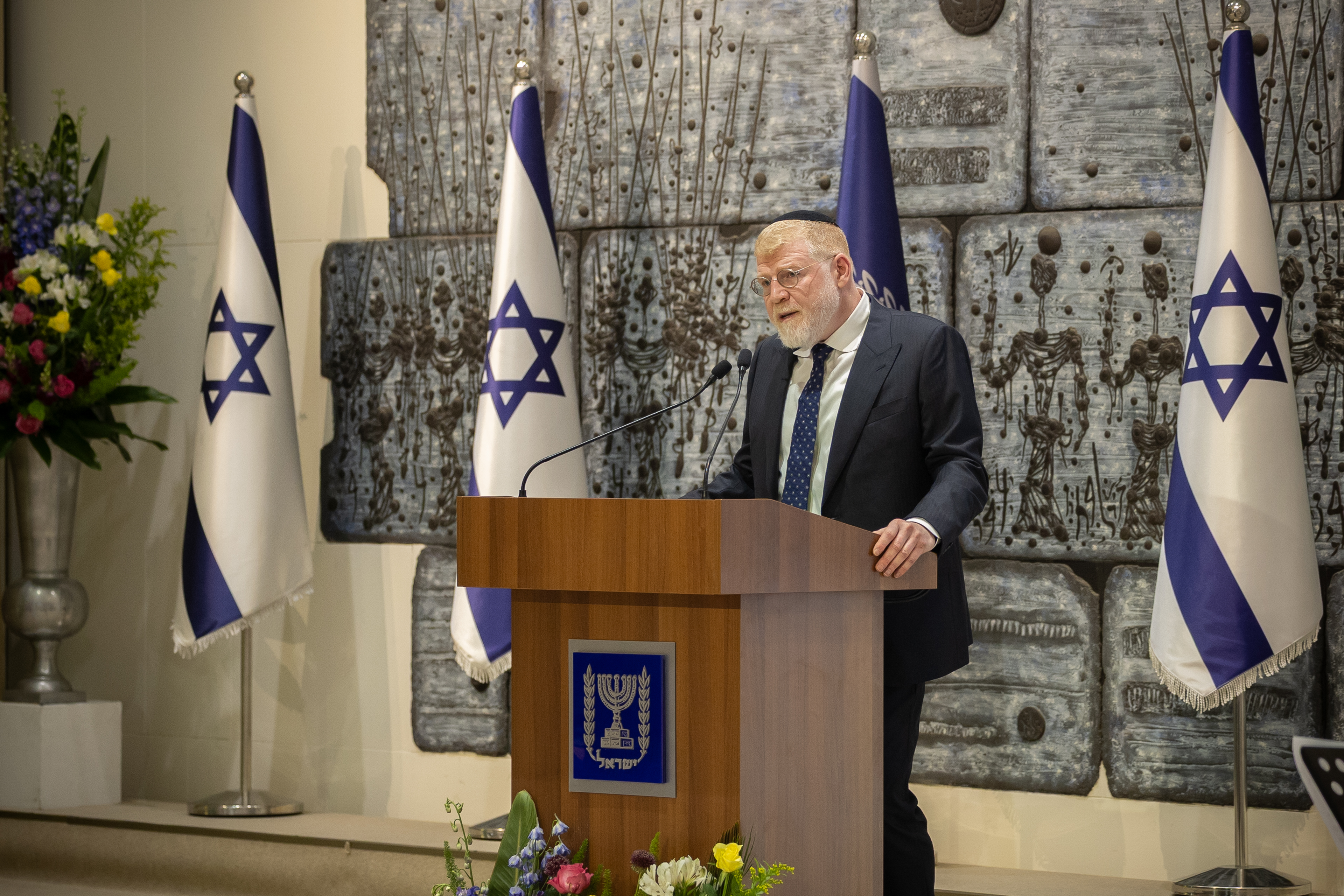
Dr. David Rozenson, Executive Director of Beit Avi Chai, reflected on the connection between Tchernichovsky’s poetry and Israel’s current reality.
“These are not ordinary days in the State of Israel,” he said. “Like many people here, I experience this firsthand. As the head of a cultural institution, I was forced just last week to cancel the opening day of our children’s literature festival because of renewed war and missile attacks, and as a father I don’t sleep through the night because my two sons are serving in the IDF across the border.
“Yet this is the fifth consecutive year that Beit Avi Chai has partnered with the President’s Residence to celebrate Hebrew Book Week. It is precisely during times like these that our mission becomes even clearer.
“Our role at Beit Avi Chai is to reveal the treasures of Jewish culture and to promote Israeli poetry, literature, art, and ideas, making them accessible to the broadest possible audience. We believe that great texts have the power to inspire, connect people, strengthen society, and help shape the reality in which we live.”
Rozenson also noted that alongside Tchernichovsky’s poems about the Jewish condition, antisemitism, and the Zionist struggle, the poet wrote lyrical idylls celebrating the landscape of his childhood.
“He composed wonderful idylls about the landscape of his childhood,” Rozenson said, “a landscape that is, to a great extent, also my childhood landscape.”
A Poet of Nature, Love, and Passion
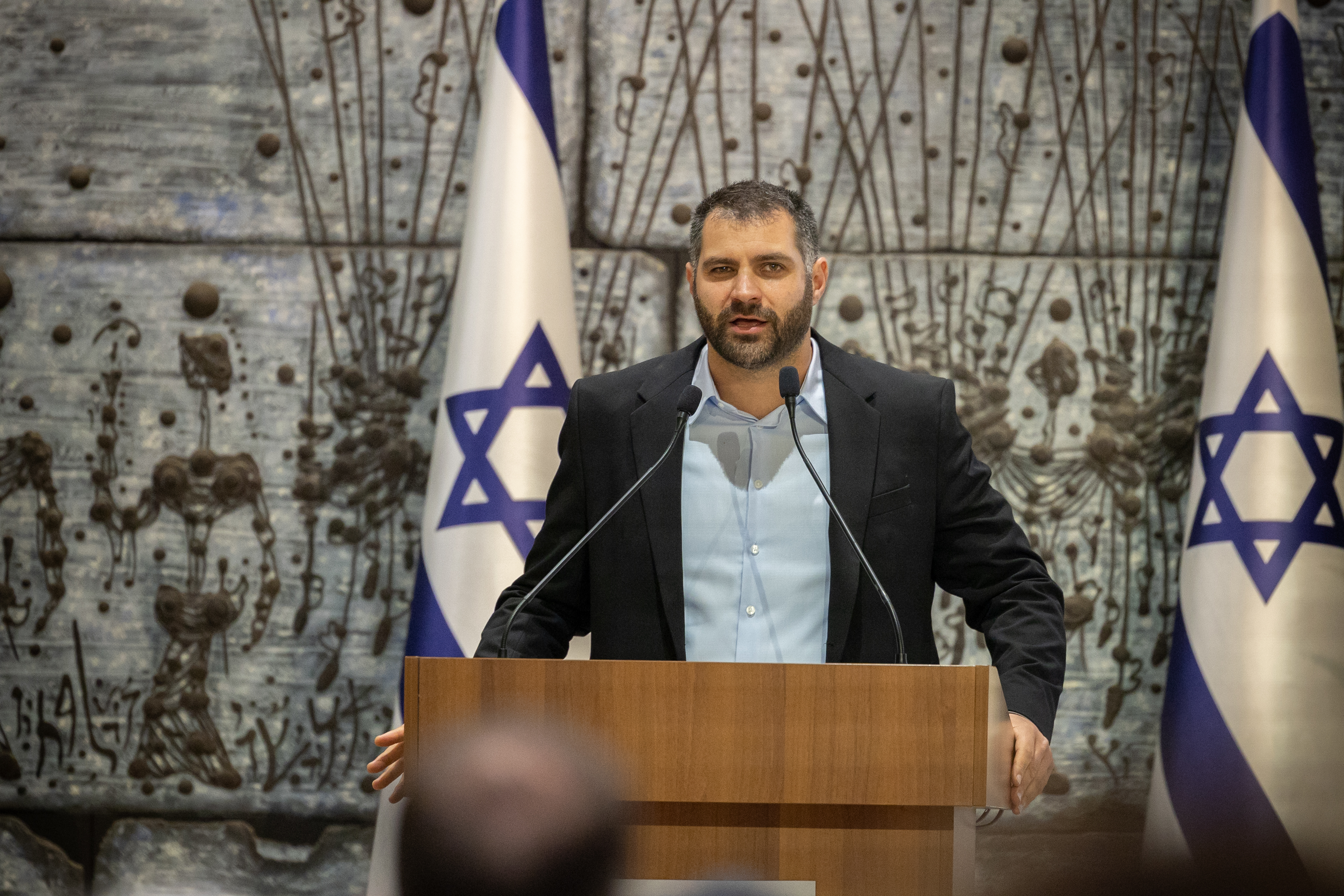
The program’s moderator, Beit Avi Chai Artistic Director Amichai Chasson, traced Tchernichovsky’s remarkable life.
Born in 1875 in the village of Mykhailivka in the southern Russian Empire, Tchernichovsky followed a path familiar to many Jewish intellectuals of his generation: from his village to Odessa, then Berlin, later in the United States, back to Russia, and finally to the Land of Israel in 1931, where he settled in Tel Aviv.
Alongside his literary career, Tchernichovsky practiced medicine, serving in St. Petersburg, as a physician in the Russian army, and later as a school physician in Tel Aviv.
He died in Jerusalem in 1943, not far from today’s President’s Residence, at the residence of the Greek Patriarch in the San Simon Monastery, where he often spent the summer months among the pine groves of Katamon.
Chasson described Tchernichovsky as an exceptional figure among the poets of Tkufat HaTehiya (“The Revival Period”), the era of modern Hebrew literary revival that stretched from the late nineteenth century until the establishment of the State of Israel. Although he held strong nationalist views, he became known above all as a poet of nature, love, and passion.
His rich, multilayered Hebrew drew on both biblical language and the language of the Sages, while his literary output ranged from epic poems and ballads to sonnets and sonnet cycles.
An accomplished linguist, Tchernichovsky also translated many masterpieces of world literature into Hebrew, including works by Homer, Goethe, Molière, and Shakespeare, as well as classics from cultures spanning Finland, Iceland, and Mesopotamia.

The Word Adam
Author and journalist Matti Friedman returned to the theme introduced by President Herzog: the significance of the word adam (“human”).
While researching his book Out of the Sky, about the Jewish parachutists sent into Nazi-occupied Europe during the Second World War, Friedman came across the notebooks of Hannah Szenes. Among the earliest Hebrew poems written by the Hungarian-born poet – who volunteered for the mission and was later captured and executed – was one centered on the word adam, which Friedman suggested lay at the heart of her moral and spiritual worldview.
“In this poem, written at Kibbutz Sdot Yam, one clearly hears an echo of a text written in Odessa in 1892,” he said.
According to Friedman, belief in humanity lies at the heart of the Zionist enterprise, and Tchernichovsky’s Ani Ma’amin remains deeply embedded in Israeli culture. In what he described as “an inhuman age,” marked by war, technology, and growing estrangement, the word adam reminds us of our most basic responsibility.
“Our task is difficult,” Friedman concluded, “but ultimately simple: to remain human.”
Later in the program, poet Shachar-Mario Mordechai also reflected on Tchernichovsky's work.
Songs for the Fallen
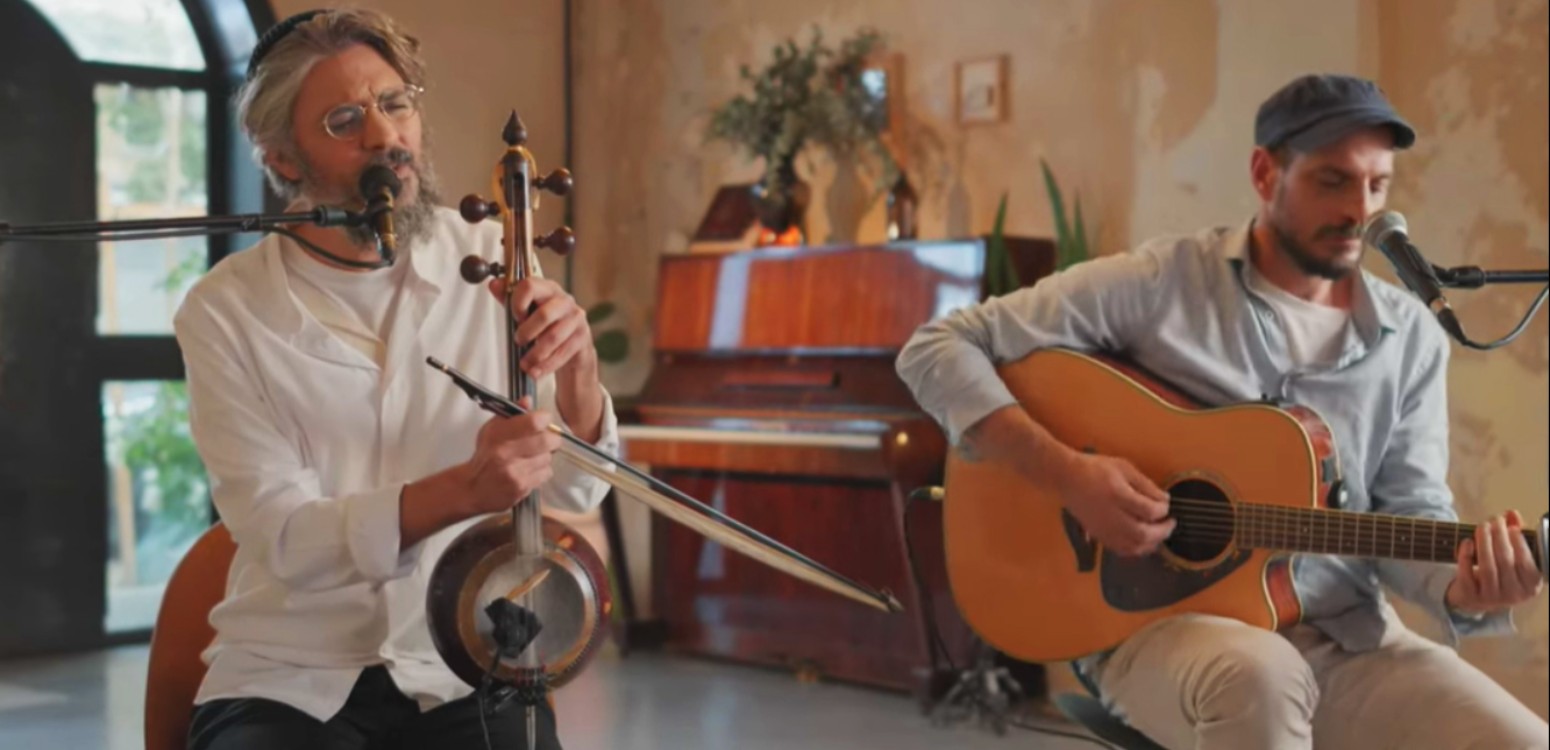
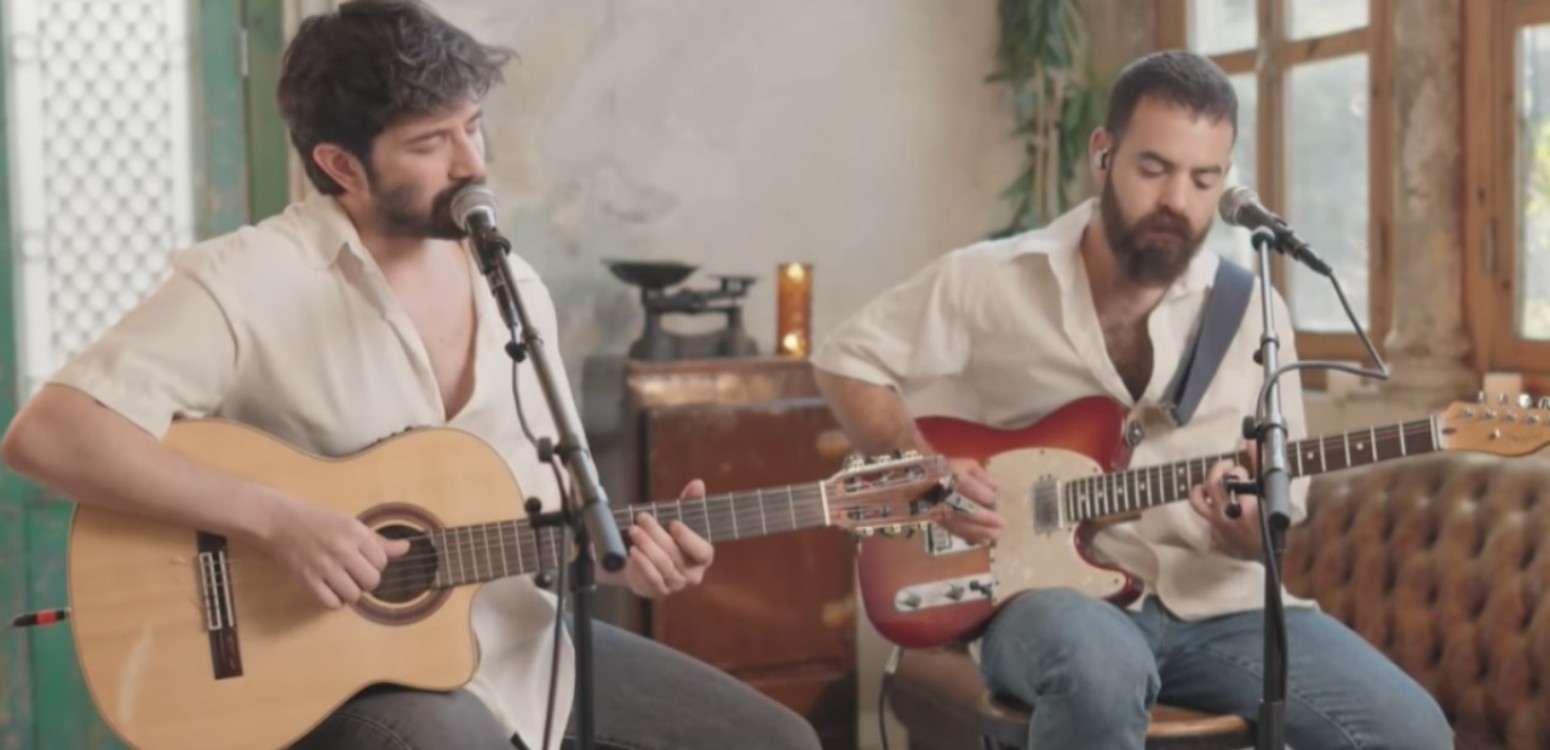
For a performance of Omrim Yeshna Eretz (“They Say There Is a Land”), Yotam Alon of Kibbutz Be’eri and Hadar Elad Ben-Harosh – the widow of Daniel Yaakov Ben-Harosh, who fell in Gaza – were joined on stage by musician Aviv Bechar. All three are participants in Tslil Mechuvan, Beit Avi Chai’s songwriting workshop for members of Israel’s bereaved community.
Before performing, Alon spoke of the difficulty of thinking about Israel without experiencing grief and loss and of the questions the song continues to raise about the country Israelis seek to build.
Ben-Harosh described how, since her husband's death, she has continued searching not only for Daniel but also for her own connection to the land itself.
“I search among the different versions of this land,” she said, “versions often filled with pain and hardship, and sometimes with hope.”
Together they described the song as expressing the poet’s painful realization that even after reaching the Land of Israel, he still asks where the promised land truly is.
The program concluded with First Lady Michal Herzog’s reading of Re’i Adama (“See, O Earth”), Tchernichovsky’s great elegy. Introducing the poem, she reflected on her late father’s role as a Palmach fighter during the “Night of the Bridges” and on Hanita – one of the iconic Tower and Stockade settlements celebrated in Tchernichovsky’s poetry – which today once again stands on Israel’s northern frontier.
Against that backdrop, the poem felt as immediate as ever. Addressing the earth itself, Tchernichovsky mourns the young men – the finest of their generation – whose hopes would never be fulfilled.
More than a commemoration of a literary anniversary, the program demonstrated that, 150 years after his birth, Shaul Tchernichovsky remains a living voice in Israeli culture – one that continues to inspire new generations while speaking with remarkable clarity to the challenges of our own time.
This article was originally published in Hebrew.
Main Photo: President Isaac Herzog\ Nikolay Busygin
Photos from the event: Nikolay Busygin