Ani Ma’amin (“I Believe”)


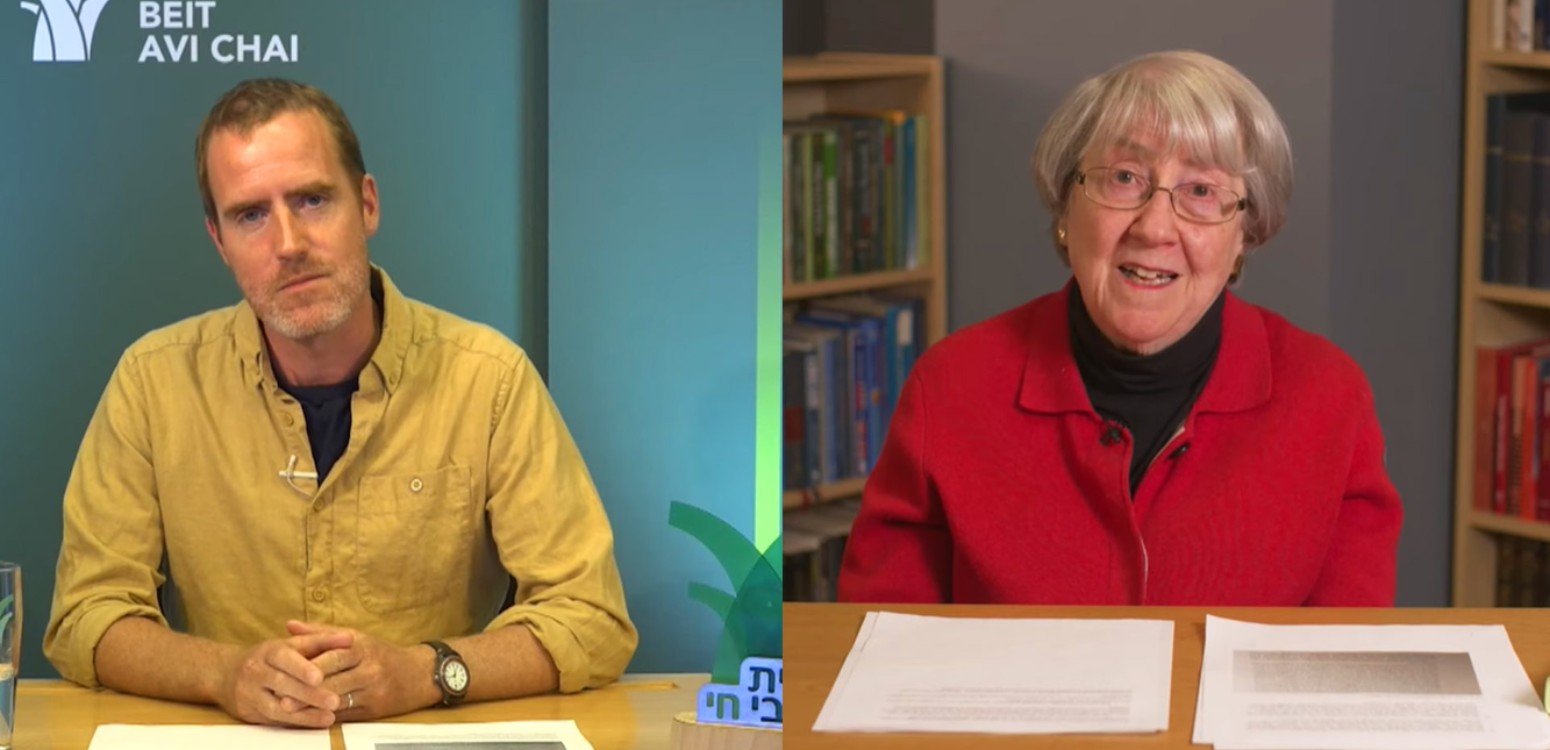
Even during the Second Temple period, during the time of the Bible’s canonization, readers of Jewish scripture were already rewriting and interpreting it. For example, The Book of Jubilees (written in Hebrew), discovered among the Dead Sea Scrolls, rewrote the Genesis narratives; and Philo of Alexandria, writing in Greek, read the same stories as philosophical allegory. At Beit Avi Chai, Dr. Hillel Mali, senior lecturer at Bar-Ilan University’s Zalman Shamir Bible Department, asks what changed with each retelling and interpretation, and why these readers felt the need to change anything at all.
Three reasons to retell
Asked what drove ancient readers to retell biblical stories, Mali offers three possibilities. The first is interpretative: “The Bible is full of contradictions, repetitions, rough edges, and ambiguous wording. So there’s a natural impulse to solve these puzzles.” This led to the first attempts to address gaps in the text.
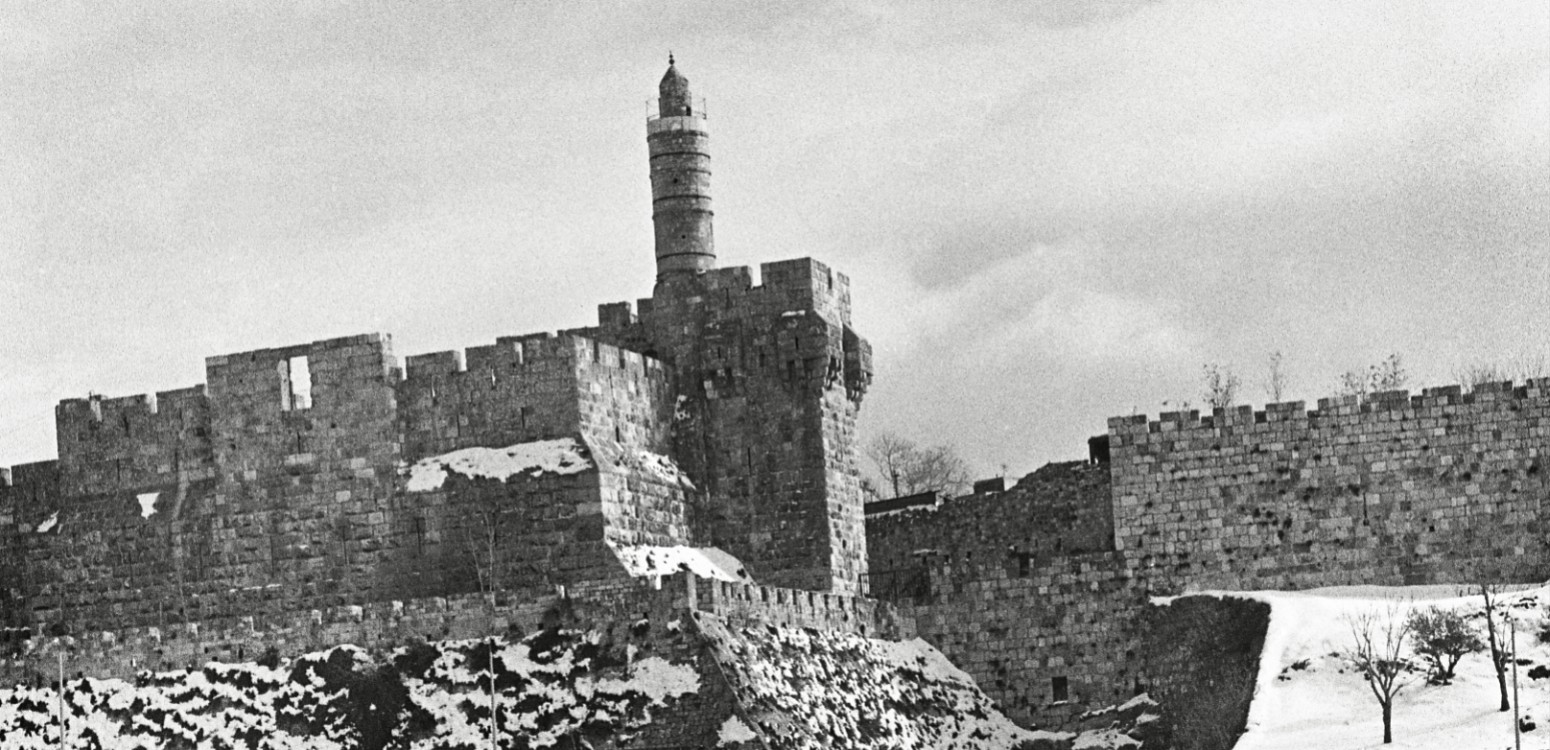
The second driver is cultural. The world of the Bible is rooted in a particular corner of the ancient Near East and Mesopotamia. But by the Second Temple period, Jews were living under Greek influence, an encounter that introduced new ideas for talking about God, the soul, and the cosmos. In this Hellenistic world, old stories needed to be looked at anew. This would also continue into the rabbinic period. Mali offers an example given by the late Professor Yosef Hayim Yerushalmi (1932–2009). The Bible describes David’s warrior Benaiah son of Jehoiada as “a brave soldier who performed great deeds” who killed two sons of Ariel of Moab and, on a snowy day, climbed down into a pit and killed a lion (2 Samuel 23:20). Centuries later, the Babylonian Talmud (Berakhot 18b), seemingly ignoring the plain meaning of the text, transformed the story into one of Torah scholarship: the lion in the pit on a snowy day becomes the Sifra, the halachic midrash on the book of Leviticus, mastered in a single night. “You preserve the details,” Mali says, “even the lion,” but the frame of reference shifts from the battlefield to the study hall.
The third impulse, Mali says, is simple creativity: the biblical text became raw material, a foundation on which later writers built to reflect their own worldview. Many writers understood all of life, and history itself, as encoded in the Torah and interpreted through its lens. The biblical story, retold again and again, therefore functioned as the underlying template through which subsequent events could be comprehended.
Interpretation or rewriting?
Given how porous these categories are, is there a meaningful divide between “interpretation” and “rewriting”? Mali doubts it. “I don’t think there’s a strict boundary between the two,” he says. But Second Temple rewritings were substantively different from later commentaries. As Mali notes, these Second Temple rewrites were similar to the biblical text, so a writer expanding on Genesis in the third century BCE had a different relationship to the canon than a medieval commentator.
One example of where this shift in perspective becomes clear is the Book of Jubilees’ depiction of the Akedah, the Binding of Isaac. In the biblical account, God tests Abraham to discover whether he truly loves Him. Jubilees reframes this relationship: where Genesis has God choosing Abraham, Second Temple literature – and later Maimonides – has Abraham discovering God, arriving at the divine through a process of philosophical search rather than personal calling. “It’s a shift from personal stories to theological, universal, philosophical narratives,” Mali says. It also reflects how the same story of the Akedah is told through an entirely new cultural and theological lens. The relationship is no longer a personal one of love and jealousy, in which God’s anxiety over whether Abraham still loves and remains faithful to Him drives the story. Instead, it becomes a philosophical journey of discovery, a tableau that demonstrates Abraham’s faith to the entire world.
Philo of Alexandria’s reading of Lech Lecha, which takes place before the Akedah, adopts the same approach. Where the biblical text narrates Abraham’s journey from Ur of the Chaldees toward a land God shows him, Philo – writing in the first century CE for a Hellenistic Jewish audience – reads the journey allegorically as the soul’s migration away from the false wisdom of the Chaldeans. This reflects the Hellenistic context that Mali describes: the old geography is converted into new philosophy, so the story still makes sense in a Greek-speaking world.
Another approach is to read later halachic categories back into the biblical narrative. This can be seen in Jubilees’ handling of the disturbing story of Noah’s vineyard and drunkenness. Jubilees reframes it as a story of keeping the halacha. “It plants the laws of Sinai in the legend of Genesis,” Mali says. Later writers wanted the laws revealed at Sinai to be anchored in the earliest biblical stories, so the seemingly embarrassing episode of Noah’s vineyard became a surprising opportunity to locate the laws of Sinai in prior history.
Reading the Bible a long time ago
What should a contemporary reader of the Torah take from these ancient reinterpretations? Mali describes it almost as a friendship renewed. “Many times we can’t see something because we’re close to it and used to it,” he says. Second Temple literature feels foreign precisely because it shows the Bible being read thousands of years before we ever encountered it, exposing contradictions and possibilities a medieval commentator could no longer see. “If we’re friends for many years, sometimes this can hide something,” Mali says. “The ability to meet your old friend anew through a different method allows you to see them in a different way.” What Second Temple writers offer, in their willingness to change the text, isn’t a license to abandon Genesis as we know it, but an invitation to a forgotten Judaism that can still revitalize how we read our oldest stories.
Main Photo: Sacrifice of Isaac \ Wikipedia