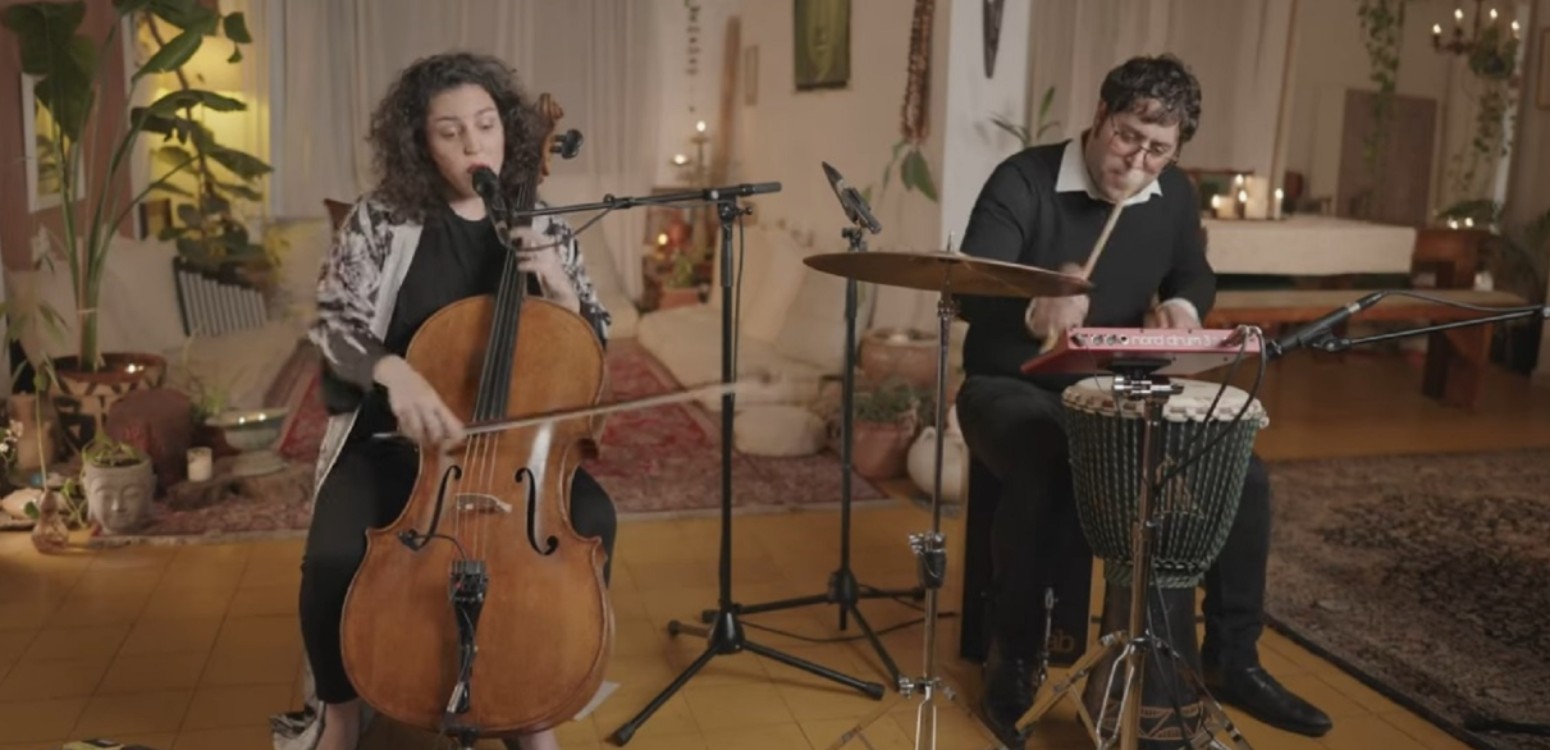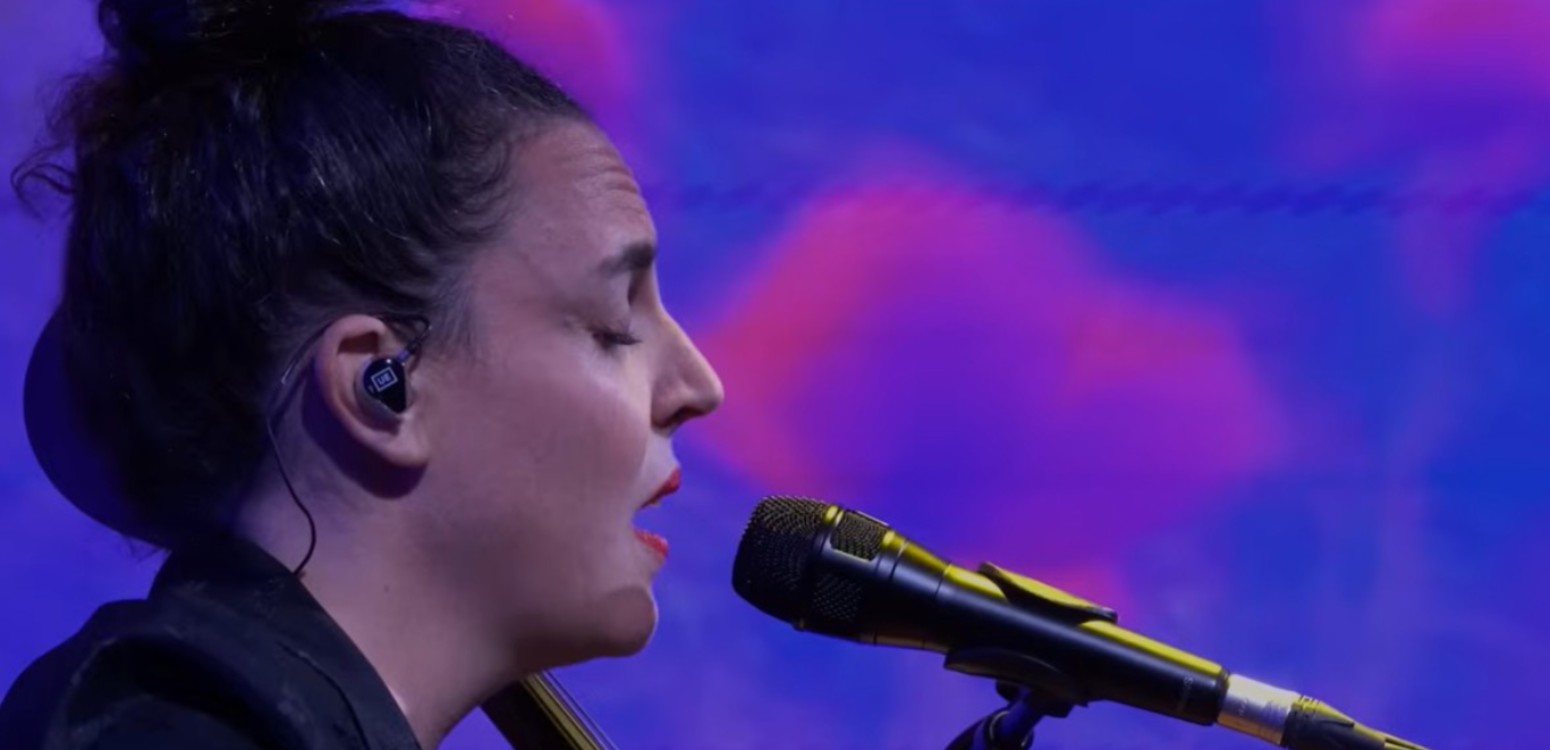
Ani Ma’amin (“I Believe”)


Three levels of listening
Rabbi Samson Raphael Hirsch (1808–1888) wrote that “to incline one’s ear” is not the same as “hearing”. Inclining one’s ear means turning toward the speaker in order to take in his word, whereas one can hear even without wanting to. Inclining one’s ear is a matter of will.
The American-Israeli scholar of modern Jewish thought Paul Mendes-Flohr (1941–2024) wrote an essay called “The Poetics of Listening,” which, to my mind, deals with the deep distinction between hearing and giving ear. Mendes-Flohr first turns to French philosopher Roland Barthes’ (1915–1980) three levels of listening.
The first is “alerting” – recognizing sound cues from the environment, like familiar footsteps or unfamiliar noises. This is the “hearing” of the earth. The second is “deciphering” – identifying not just the sound but its meaning. I recognize my cat’s yowl as a demand to be fed. This begins the heavens’ “giving ear.” The third is “understanding” – achieved through suspension of judgment, listening to the voice between the words. This is true “giving ear.”
Yet Mendes-Flohr contrasts Barthes with Jewish philosopher Martin Buber’s (1878–1965)
dialogical listening. For Barthes, I listen to decipher hidden meaning. For Buber, listening is an act of being present – recognizing you and your otherness. Yet this recognition means acknowledging that my tools for understanding you are my own – a kind of bias. I understand you through my concepts and prior vision, and so I inevitably interfere with truly hearing you as you are.
Dialogical listening
Both suspend judgment while listening, but Buber goes further: I try to suspend the intrusion of my whole world into the act, knowing that listening produces not full understanding, but full presence. True empathic listening – often praised – risks erasing the depth and uniqueness of what is being spoken by placing the speaker into my world. The dialogical listener removes interpretation from the act.
Buber, according to Mendes-Flohr, offers the idea of the dialogical envelope, or dialogical containment – to listen to the other’s voice without interpreting it, letting it echo alongside my own story. I do not erase myself or my story, but I do not let them interfere with giving ear to yours. I can bring the two together, but I must not mix them.
The challenge
Such listening is no easy task. To truly listen means removing the armor that protects us and pausing our listening to ourselves, making room for the other’s voice. “Give ear, O heavens, and I will speak.” Perhaps only the heavens are capable of truly giving ear – listening in a way that hears me, rather than hearing itself through me.
After such listening, I bring my world into contact with the world revealed to me. Here perhaps the song continues: “My doctrine shall drop as the rain, my speech shall distil as the dew” (ibid., 2). The words may meet me like a powerful downpour sweeping away all that I am, or like gentle dew that caresses me.
*The essay “The Poetics of Listening” by Paul Mendes-Flohr was published in April 2024 in the journal “Open Philosophy.” Special thanks to Dr. Hani Vitelson who sent it to me.
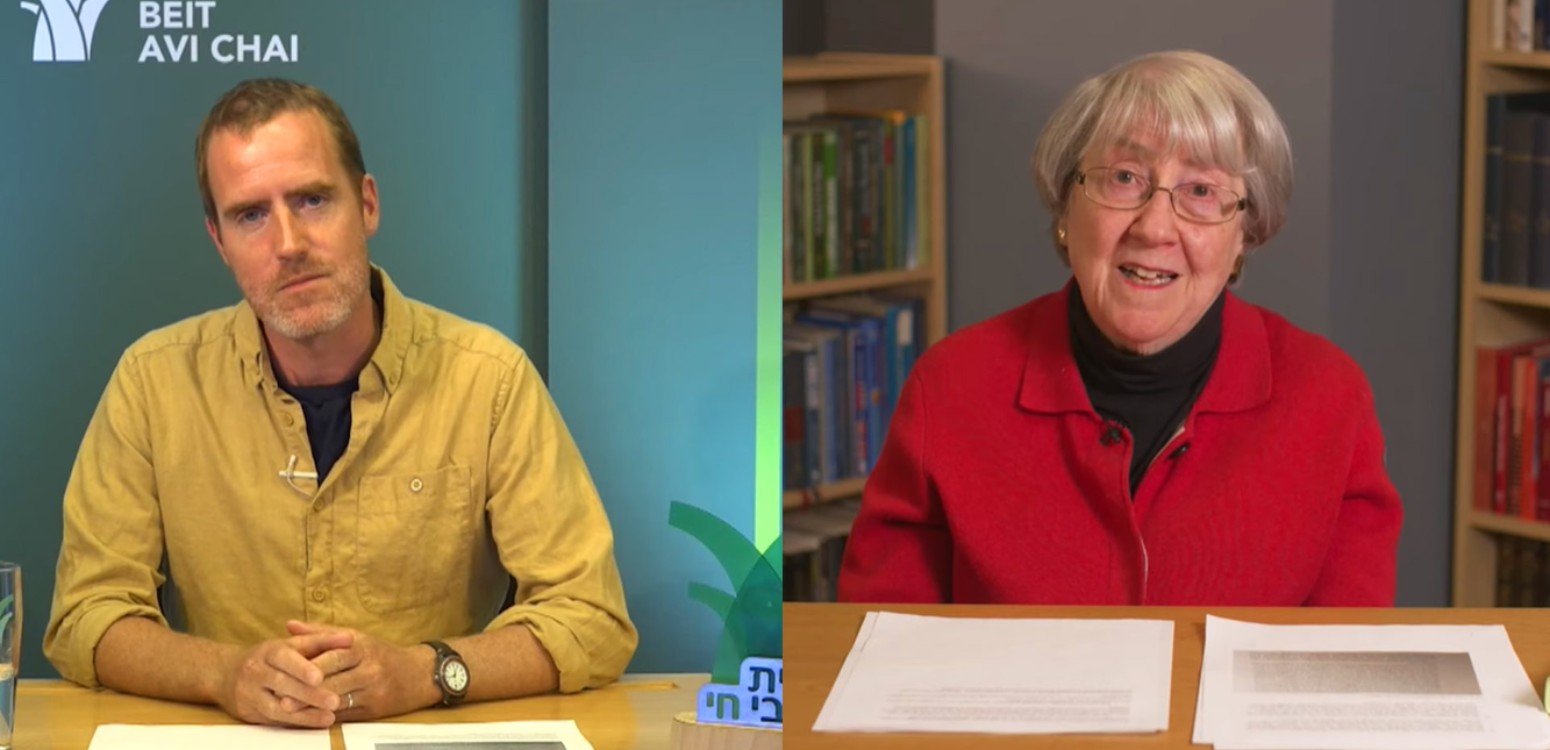
Lior Tal Sadeh is an educator, writer, and author of “What Is Above, What Is Below” (Carmel, 2022). He hosts the daily “Source of Inspiration” podcast, produced by Beit Avi Chai.
For more insights into Parashat Haazinu, listen to “Source of Inspiration” (in Hebrew).
Translation of most Hebrew texts sourced from Sefaria.org
Main Photo: Moses looks out over the land from the summit of Mount Nebo.\ Wikipedia