Ani Ma’amin (“I Believe”)


Sometime between the seventh and the eleventh centuries, an anonymous author built an entire text around the death of Moses. The result, Midrash Petirat Moshe (“The Midrash of the Death of Moses”), is one of the so-called “smaller midrashim,” barely a few printed pages long, and for centuries it circulated mostly in anthologies rather than as a work in its own right. It first appeared in print in either Constantinople or Prague in the late XVI century, bound together with two companion texts on Moses’ life and death, and in 1693 it was translated into Yiddish. It was also seemingly designed with a specific liturgical moment in mind: the printed text opens and closes with the verses of VeZot HaBerakhah, the Torah portion read on Simchat Torah, a reminder that in parts of North Africa and southern Europe, communities once paused their hakafot dancing during the festival to mourn Moses before resuming the celebrations.
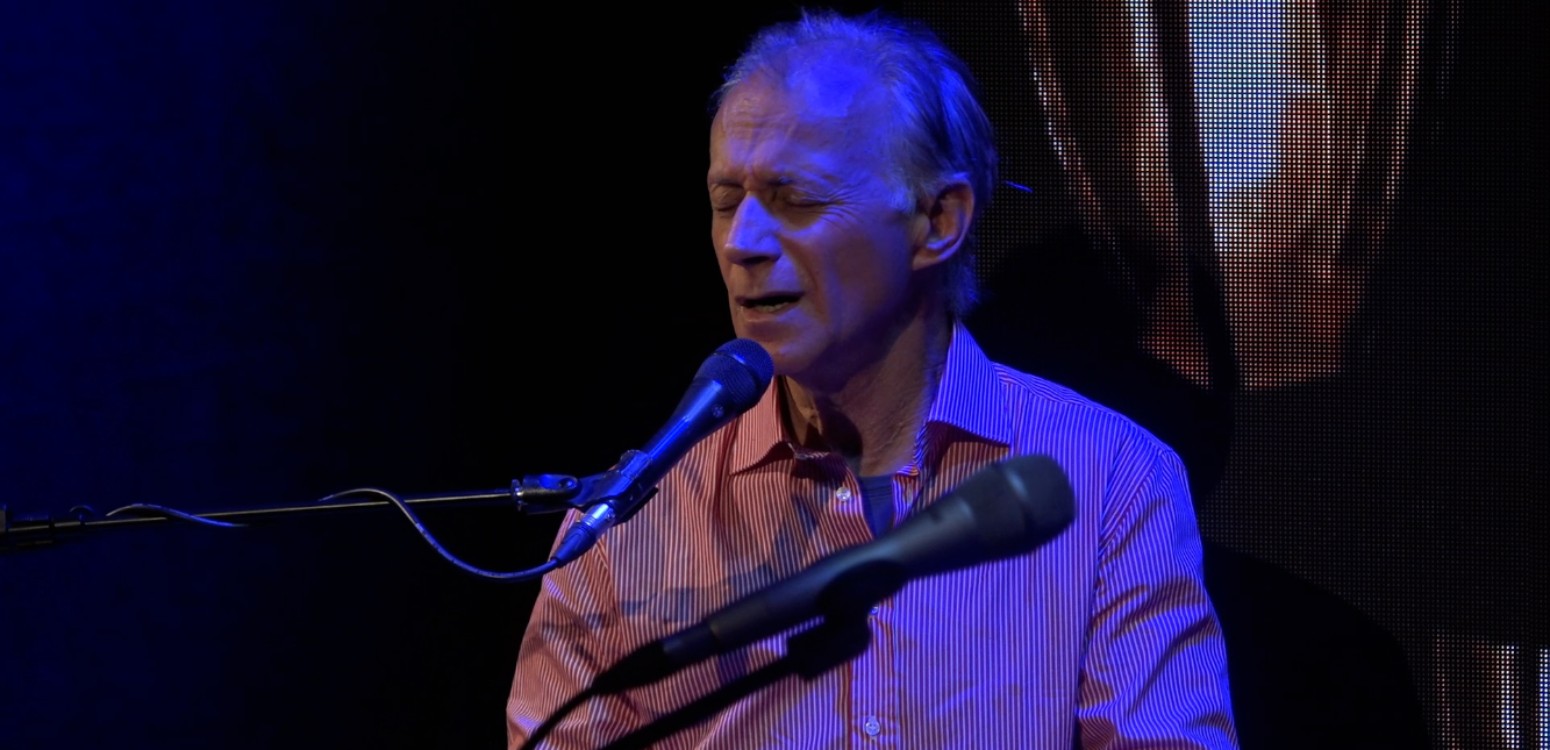
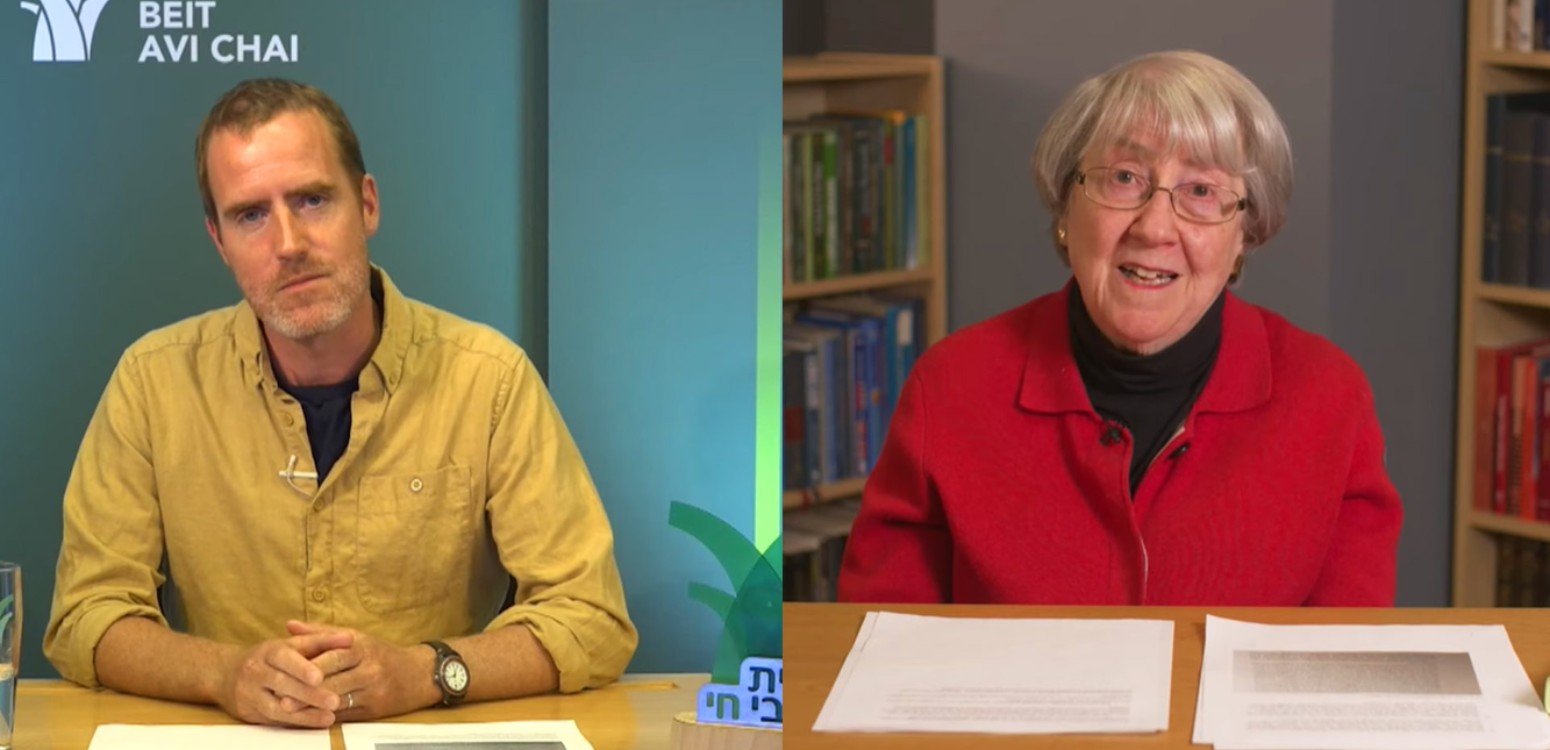
“Most people aren’t aware of this text,” says Prof. Avigdor Shinan, professor emeritus of Hebrew Literature at the Hebrew University of Jerusalem, who has spent decades working on midrash and aggadah, “and I wanted to give Moses the honor he deserves.” The story of his death, he points out, “often gets swallowed up amidst the chaggim, particularly amidst Simchat Torah,” which is ironic given the text may have been designed specifically for that holiday. Shinan’s own connection to this midrash goes back further, to his second year at university, when he learned in passing that his own name, Avigdor, was traditionally counted among the ten names attributed to Moses.
A deal with God
In the Torah, Moses is not merely told he will die, but that he will die outside the land despite forty years of leading the Israelites toward a border he will never cross. “He does everything he can to convince God to change this ruling,” Shinan says. First he asks for the decree to be lifted outright, and then he asks for his body to be carried into the land and revived there – anything to avoid, as Shinan puts it, “the idea of delivering his leadership to Joshua.” Only reluctantly does Moses accept that the argument is lost, and even then he negotiates the terms of his own death: “he asks that the Angel of Death won’t take part, and God agrees.” What follows, according to the midrash, is a kind of countdown – “you have ten hours, nine hours, etc.” – building toward the moment when God himself, together with three angels, comes to collect Moses’ soul, only for the soul to refuse, insisting it loves Moses too much to leave him. “God has to kiss Moses to take the soul,” Shinan says – “the kiss of death. Moses died but the Angel of Death failed.”
Shinan doesn’t read this as a veiled critique of divine justice. Moses has reached the grand old age of 120, “already defined as old age” as far back as Genesis, and he understands as much himself; his argument isn’t that death is unjust, but that his mission is incomplete. If anything, Shinan suggests, the midrash criticizes Moses: “he claims he had only one sin, but God said he had many sins,” including his initial refusal at the burning bush to speak to Pharaoh and his killing of the Egyptian taskmaster. When Moses protests that God himself killed thousands of Egyptians in the Red Sea, God replies bluntly: “only one who can give life can take life.” At that point, Shinan notes, “Moses agrees to die.”
Moses and Joshua
As for Moses’ relationship with Joshua, Shinan says “the midrash is inconsistent.” In one scene, Moses waits outside the Tent of Meeting while Joshua receives instruction inside, and when Joshua emerges without revealing what God told him, Moses says – according to Shinan – that “I prefer to die a hundred times rather than being envious once.” Elsewhere in the text, though, Moses positively enthrones his successor. He “washes Joshua’s clothes, prepares his foods, sits him on a golden chair and asks everyone to come and greet him.” Shinan doesn’t try to resolve this contradiction. “The midrash shows two different attitudes to this question,” he says. “We all have this problem – we don’t like to see others replacing us.”
Another important figure in the midrash is the Angel of Death. Shinan explains that his role is “to fulfill his mission, to bring to God the souls of people who finish their life.” But in the case of Moses his mission ends in failure. “The first time the Angel of Death comes, Moses hits him with his horn of light,” Shinan says, reflecting the detail from Exodus that Moses’ face shone after he descended from Sinai. “The Angel of Death says he can’t do anything.” By the time Moses finally dies, the angel doesn’t even register what happened: “he thought he had disappeared.”
In the absence of the Angel of Death, Moses’ final moments are intimate rather than adversarial, with Moses becoming one of six figures (according to Bava Batra 17a) who died “by the mouth of God” rather than at the hand of the Angel of Death (the others are Abraham, Isaac, Jacob, Aaron, and Miriam). With time, death by a kiss became the death the righteous aspired to.
Did Moses actually die?
The Torah states that nobody knows where Moses is buried, and this gap is explored by the midrash. But Shinan raises another question first: Did Moses actually die? Josephus, writing in the first century CE, describes the prophet as being enveloped in a cloud on Mount Nebo before vanishing, and Shinan notes that “Josephus explains that Moses wrote in the Torah that he died because he didn’t want people to think that he went to heaven like Eliyahu.” Even the Talmud preserves a minority view “that he didn’t die and was instead fulfilling religious functions in heaven.” As for the missing grave, this was no abstract concern: “if we knew, everyone would go to the tomb and worship Moses, but the midrash didn’t like that, especially because of the Christian context,” given that Jesus was viewed by early Christians as a second Moses. In this context, an unmarked grave helps avoid the development of a cult.
A fear of dying, not of death
Asked whether any of this offers comfort to an ordinary person facing loss, Shinan is careful in his response. “I don’t think this is the point of the midrash,” he says, “but this is the task of the reader,” who identifies with Moses’ love of life and his fight against the decree, “but in the end he and everyone understands that death is inevitable.” Everyone cries about the loss of Moses, including God, but nobody has yet succeeded in escaping death, “and Moses was a human being and we all have to accept it, hoping to get to 120 in good health.” Shinan says that the only comfort “is that Moses is afraid of dying, not of death” – the process of dying, from which the midrash exempts him, granting him a peaceful passing on a bed in a cave, surrounded by angels. Whether this offers consolation, Shinan leaves to the reader. “The Talmud says everyone hopes for the kiss of death,” but only a select few, including the incomparable Moses honored in this special midrash, received this reward.
Main Photo: AI