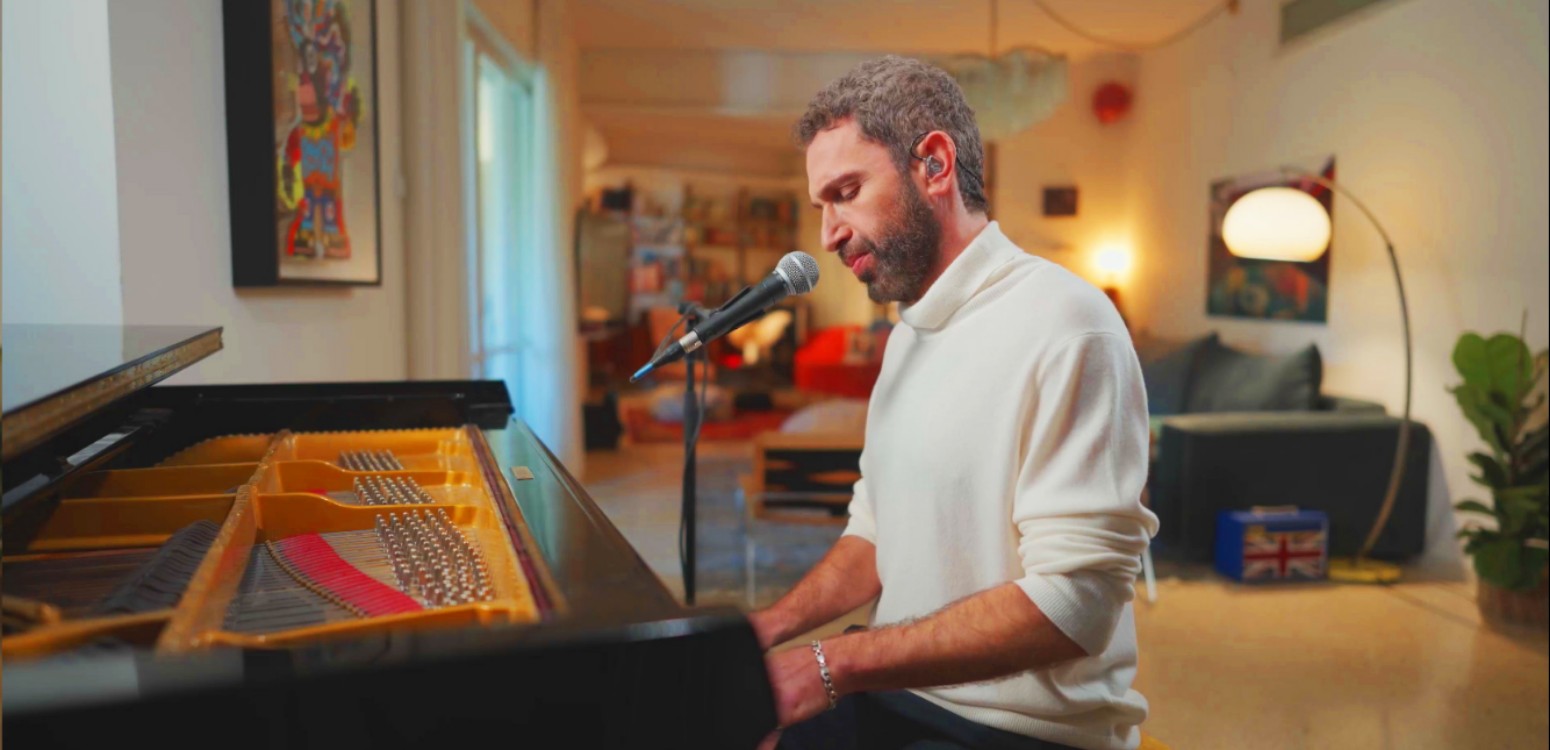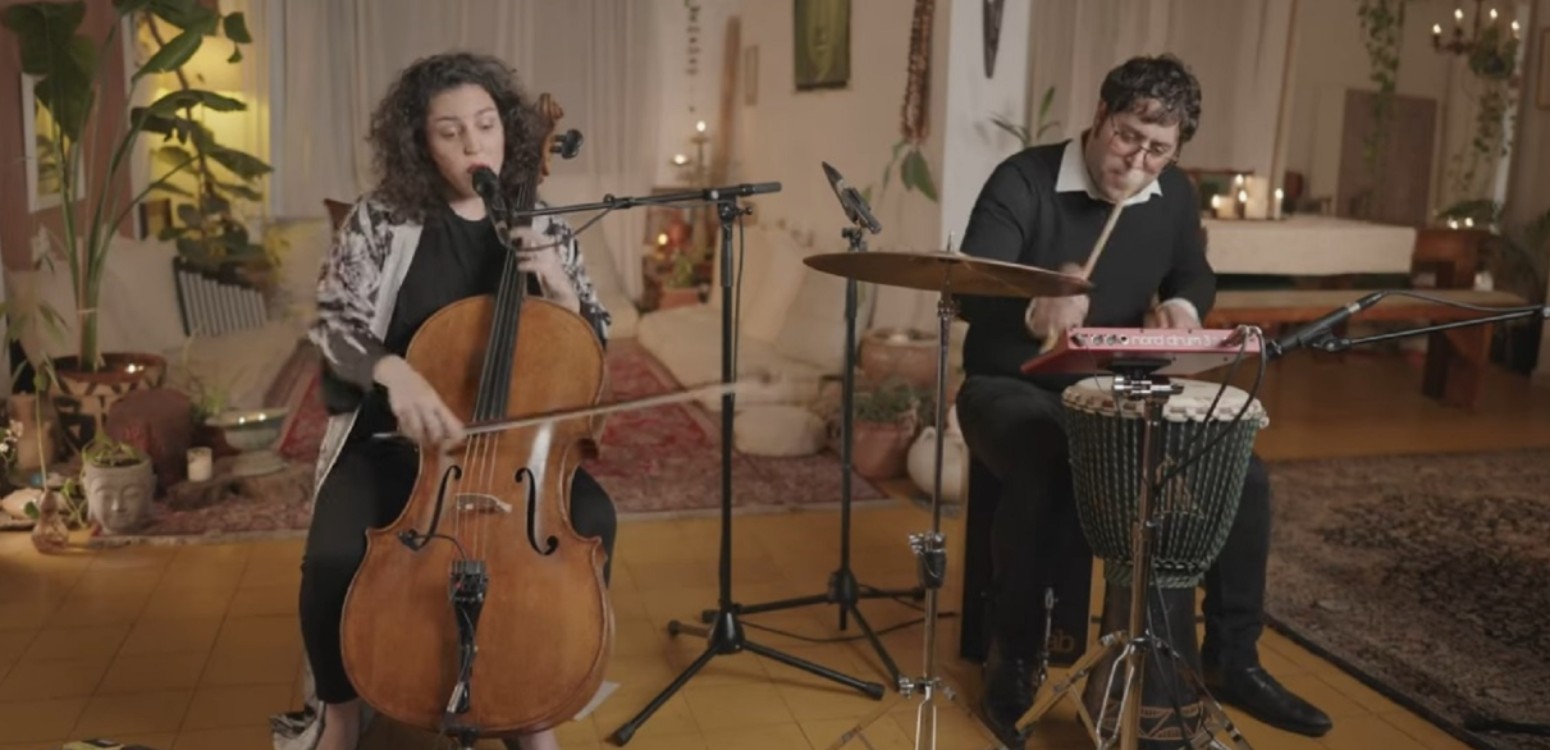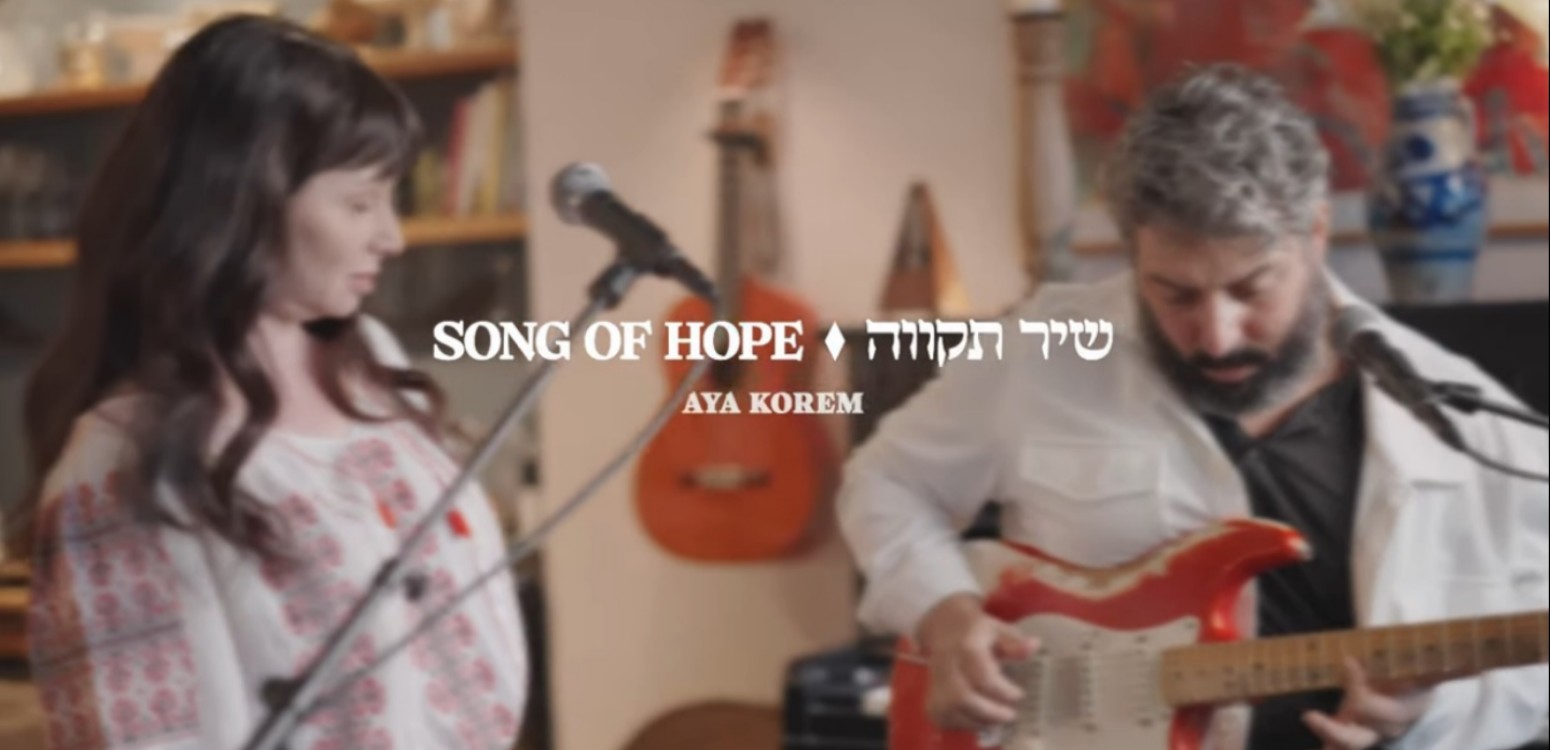
Ani Ma’amin (“I Believe”)


In Parashat Vaetchanan, God is described as merciful: “For the Lord your God is a merciful God; he will not forsake you, nor will he destroy you, nor forget the covenant of your fathers which he swore to them.” (Deuteronomy 4:31). Yet later in the same parasha we read the opposite: “You shall not go after other gods, of the gods of the people who are round about you; for the Lord your God is a jealous God among you, lest the anger of the Lord your God be inflamed against you, and he destroy you from off the face of the earth” (Deuteronomy 6:14–15). The merciful God does not destroy His people. The jealous God may destroy them. According to Aristotelian logic, this is impossible – A cannot be both A and not-A at once.
Contradictions can coexist
Yet there exists another mode of thinking – paradoxical logic – which social psychologist and humanistic philosopher Erich Fromm (1900-1980) described in “The Art of Loving”. This logic, which dominated Chinese and Indian thought and appears in the philosophy of Heraclitus and later in Hegel and Marx, holds that contradictions can coexist: this is this, and this is also not-this, simultaneously. As ancient philosophers suggested, apparent contradictions often contain deep truth.
When we look at people, it’s easier to grasp this kind of thinking. A person can be merciful to one and cruel to another – even merciful and cruel toward the same person at once. God’s character in the Torah contains such opposites. At the heart of our parasha it is written: “Hear, O Israel: The Lord our God; the Lord is one” (6:4) –
yet grasping what “one” means remains deeply difficult.
On loving God
Many need to believe in a great Father watching from the heavens. But Fromm described this kind of faith as childish. There is another possibility: seeing God as a symbol of that which is unified yet paradoxical – the totality within which we exist. God as the symbol of truth, justice, and love together; not any one alone, nor a simple sum of each. God as the spiritual dimension of life.
According to this outlook, what is the love of God? Our parasha states: “And you shall love the Lord your God with all your heart, and with all your soul, and with all your might” (6:5). To love God is to yearn with your whole being for that truth, that justice, that love – and to love the unity of opposites. For Fromm, love is not exhausted in feeling. Love is a stance, a form of action that includes care, responsibility, respect, and knowledge.
Fromm wrote that thought remains trapped within paradox, and therefore the only way to love God lies in action. Loving God is the act that carries us toward that spiritual dimension, toward truth, justice, and love. Maimonides answers this at the end of “The Guide for the Perplexed”: through the attempt to act in the world with kindness, justice, and righteousness
Tisha B'Av
These themes connect to the meaning of Tisha B'Av, observed today. God’s ruined House symbolizes the fact that there is no longer any dwelling among us capable of containing this unity – no house in which aspirations toward justice, truth, and love can preside together.
It is told that after the Temple’s destruction, Rabbi Yehoshua and Rabban Yohanan ben Zakkai walked through Jerusalem. Rabbi Yehoshua lamented that the House through which our sins could be atoned for lay in ruins. Rabban Yohanan ben Zakkai said to him: “My son, be not grieved, for we have another means of atonement which is as effective, and that is, the practice of lovingkindness, as it is stated, ‘For I desire lovingkindness and not sacrifice’” (Avot deRabbi Natan, Version A, chapter 4).
And that, in a nutshell, is the entire essence of this day.
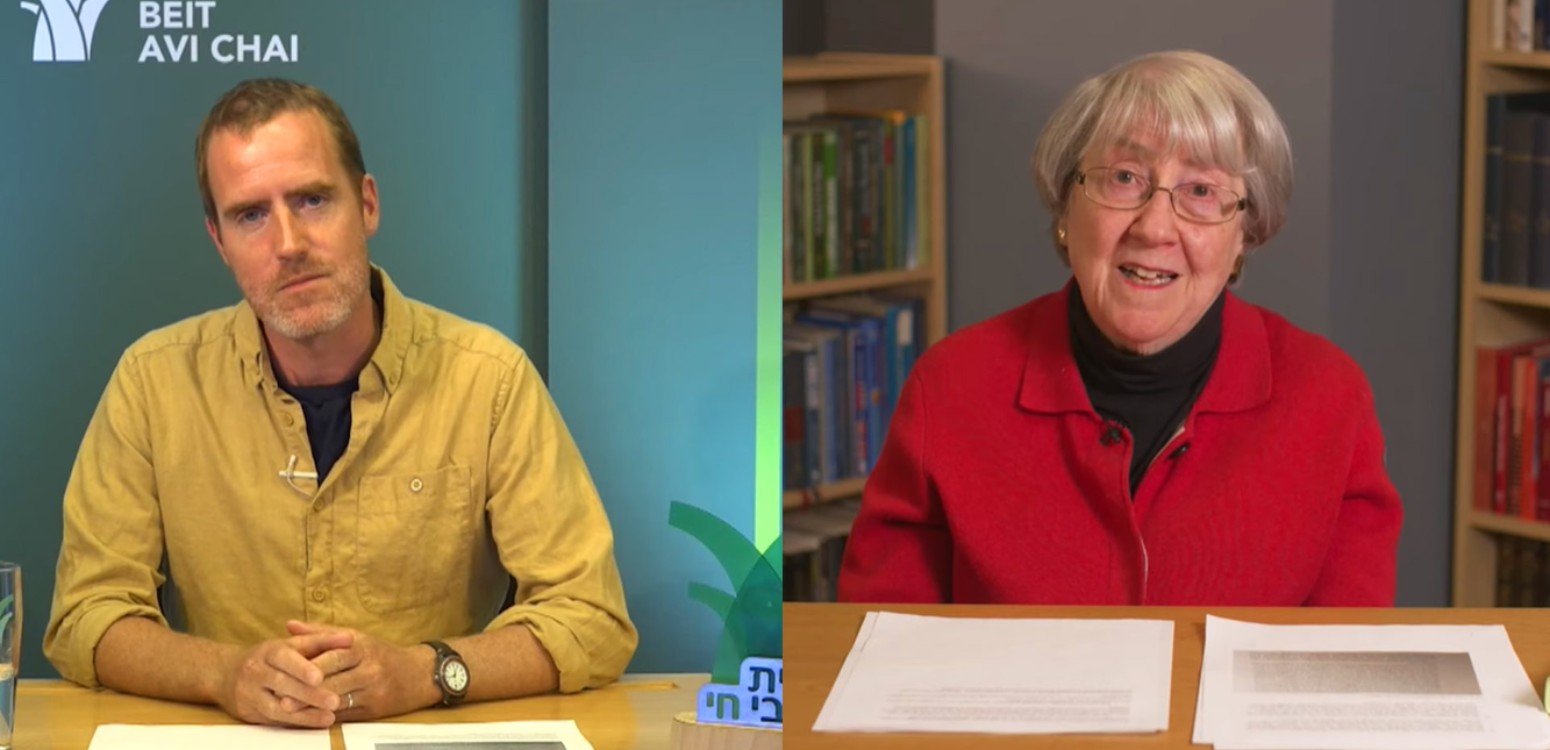
Lior Tal Sadeh is an educator, writer, and author of “What Is Above, What Is Below” (Carmel, 2022). He hosts the daily “Source of Inspiration” podcast, produced by Beit Avi Chai.
For more insights into Parashat Vaetchanan, listen to “Source of Inspiration” (in Hebrew).
Translation of most Hebrew texts sourced from Sefaria.org
Main Photo: Moses Pleading with Israel\ Wikipedia