Ani Ma’amin (“I Believe”)


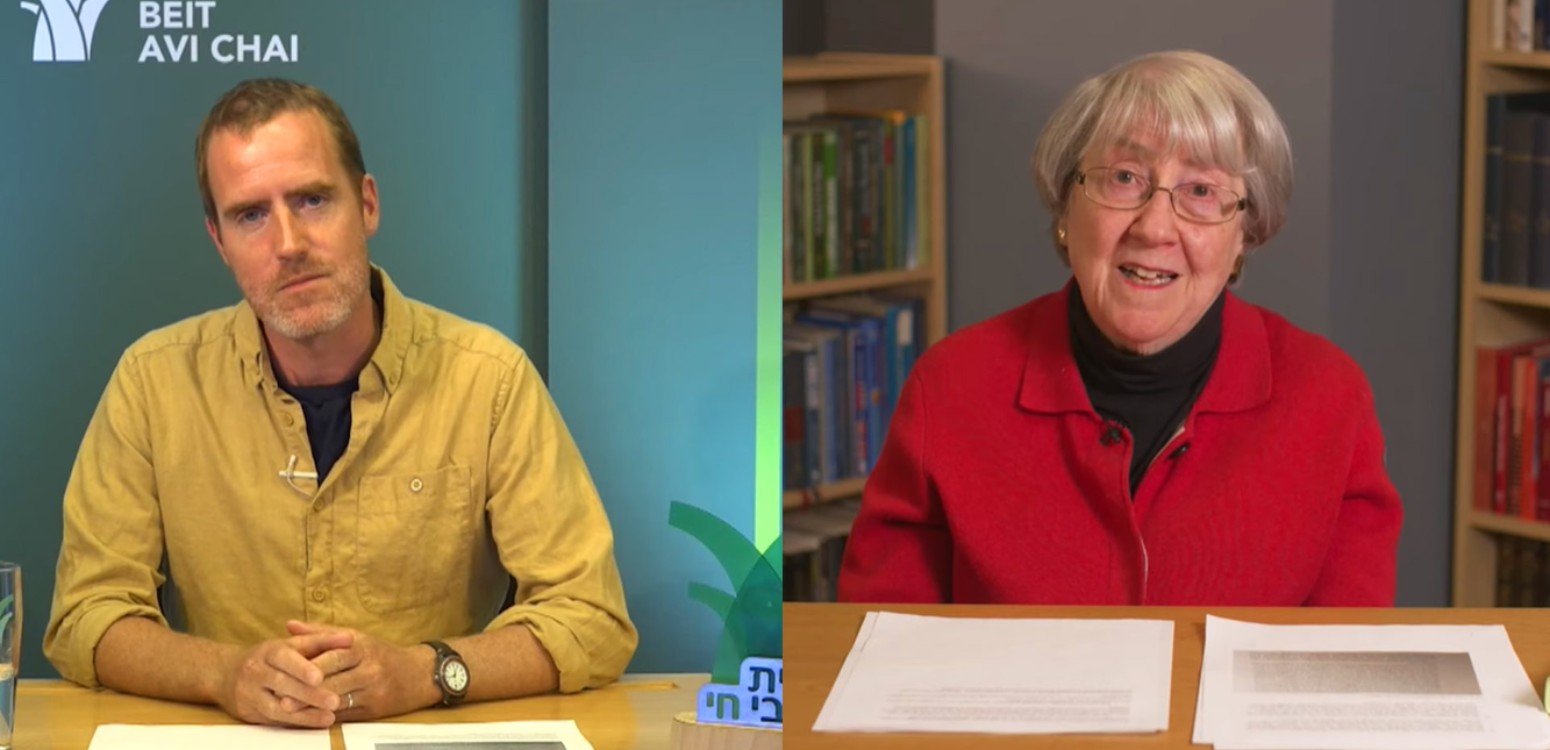
In XI-century Spain, the Jewish poet-philosopher Solomon Ibn Gabirol composed what would become one of the most celebrated works in Hebrew literature: Keter Malchut (“The Royal Crown”). The poem is a 40-stanza meditation that soars from theological speculation about God’s unknowable nature to detailed descriptions of the cosmos, before plunging into the depths of human despair and the desperate plea for divine mercy. “If you want to understand the full range of what Hebrew poetry can do,” says Dr. Ariel Zinder, a senior lecturer in the department of literature at Tel Aviv University, “you have to reckon with this poem.” Zinder’s lecture series at Beit Avi Chai, “From the Depths to the Highest Heavens,” invites participants on a journey through Ibn Gabirol’s masterpiece that addresses fundamental questions about God, the cosmos, and human frailty.
Both bleak and optimistic
Ibn Gabirol lived in XI-century Al-Andalus, where Jewish, Muslim, and Christian intellectual traditions intermingled. “He’s both a child of his time and a highly unique individual, like most great artists,” Zinder explains. Ibn Gabirol combined poetic skill with philosophical depth.
His poetry is intensely personal, often melancholic, filled with the struggles of a sensitive soul. At the same time, he was the most accomplished philosopher among the poets of his generation. “He belonged to the Neo-Platonist school,” Zinder notes, “which was both bleak and optimistic.”
This philosophical worldview deeply shaped Keter Malchut. The poem is filled with a inquiring voice demanding to understand as much as possible about God and the universe. “It’s a mythical view of life,” Zinder says, “that influenced his work profoundly.”
Keter Malchut unfolds in three distinct yet interconnected sections. The first addresses the nature of God. “It explores the attributes we can or cannot give Him,” Zinder explains. Ibn Gabirol grapples with this theological puzzle with both intellectual rigor and poetic beauty.
The second section maps the structure of the universe as medieval thinkers understood it: the spheres, the planets, the earth below, and the metaphysical realm of divine emanations. For modern readers, this can seem alien. After all, we know medieval astronomy was mistaken. But Zinder urges readers not to dismiss this section. “I don’t want to read the poem as a mere historical document but as something that’s alive today,” he says. The key is to reflect on “the deep connection between how we conceive of our relationship to the universe and how we conceive of our relationship to God.” Ibn Gabirol still expressed utter humility before the divine. “If he could believe the earth was at the center of the universe and still express humility to God,” Zinder notes, “it should be much easier for us.”
The third section is a confessional monologue by someone who sees himself as a sinner in desperate need of divine mercy. “What’s amazing,” Zinder observes, “is the fact that he manages to go through all three of them with the same linguistic and poetic intensity.”
Purpose and achievement
Though Keter Malchut covers vastly different terrain, it maintains remarkable unity. All forty stanzas follow the same formal structure of rhymed prose borrowed from the Arabic literary tradition, and each concludes with a biblical verse. Throughout, a consistent speaking voice guides the reader – “an inquisitive and highly demanding voice eager to understand whatever he can and to be accurate and not to lie,” as Zinder describes it.
The poem’s original purpose, though, remains a mystery. Some communities incorporated it into the Yom Kippur liturgy, suggesting it was meant as a prayer. If so, Zinder explains, then “shaping the reader would be leading him or her on a path that would eventually present them before God when they’re absolutely ready to confess their sins and let go in the face of His greatness.”
But there are other possibilities. Perhaps the three sections offer different modes of approaching God – through theology, through understanding creation, and through personal confession. Or perhaps it’s primarily pedagogical, meant to instruct laypeople in religious philosophy and medieval science (in medieval thought, science and religion were deeply intertwined).
Beyond its enigmatic origins, Zinder offers several reasons to engage with this medieval text. First, there’s the sheer literary achievement. Keter Malchut is “extremely intricate” with “very luscious language.” Few literary works attempt what Ibn Gabirol achieves: exploring three quite different poetic projects while maintaining “the same tone and persona” throughout. Works that successfully navigate between cosmic heights and human depths are rare – Zinder mentions Dante’s “Divine Comedy” as another example.
The poem also offers wisdom and consolation. “Paradoxically, Keter Malchut ends with genuine hope,” Zinder points out, “both hope for divine assistance and God’s mercy and hope that our soul is larger and stronger than the sorrows we’re entrapped in.” The poem doesn’t pretend that life is easy. Instead, it offers the example of a narrator who continues “struggling for redemption, which is very admirable.”
There’s also comfort in the journey itself. “We’re following a very distinguished guide while reading this poem,” Zinder suggests, “someone who knows quite a lot about the mysterious terrain we’re walking in, which I find very comforting, even if the terrain can be dangerous or depressing.”
Cosmic grandeur and personal anguish
In his lecture series, Zinder focuses on the poem’s central tension: the contrast between “the soaring-up-high aspect of the poem, which aspires to the highest heavens, and also going down to the depths of human sorrow and despondence.” This vertical movement is the poem’s defining characteristic.
“There aren’t many literary pieces which take on such a challenge,” Zinder notes. The question that interests him is: “Does he invite us to experience those poles, warn us against them?” Understanding how Ibn Gabirol navigates between cosmic grandeur and personal anguish is key to understanding what the poem offers.
Ultimately, Zinder’s primary hope for readers of the poem is practical. “I want to create the conditions for readers of Hebrew to read this great poem on their own and not to think that there are obstacles standing between us and its greatness.” Keter Malchut can seem daunting, but Zinder believes that the obstacles can be overcome.
To journey through Ibn Gabirol’s masterpiece, he suggests, is to join the ancient conversation about what it means to be human in a vast and mysterious universe, seeking connection with the divine while acknowledging our profound limitations, and perhaps finding consolation along the way.
Main Photo: Shlomo Ibn Gabirol statue in Caesarea, Israel.\ Wikipedia