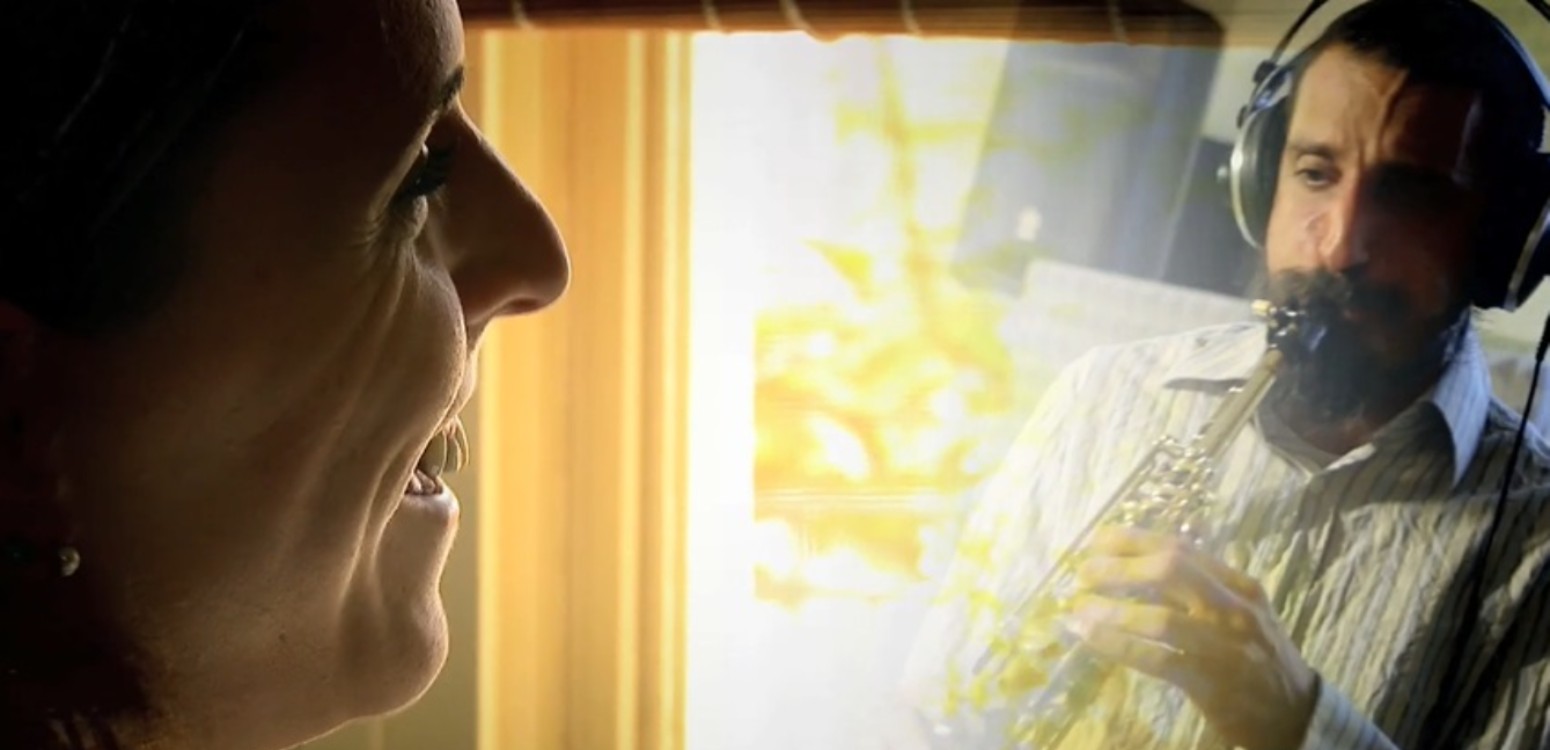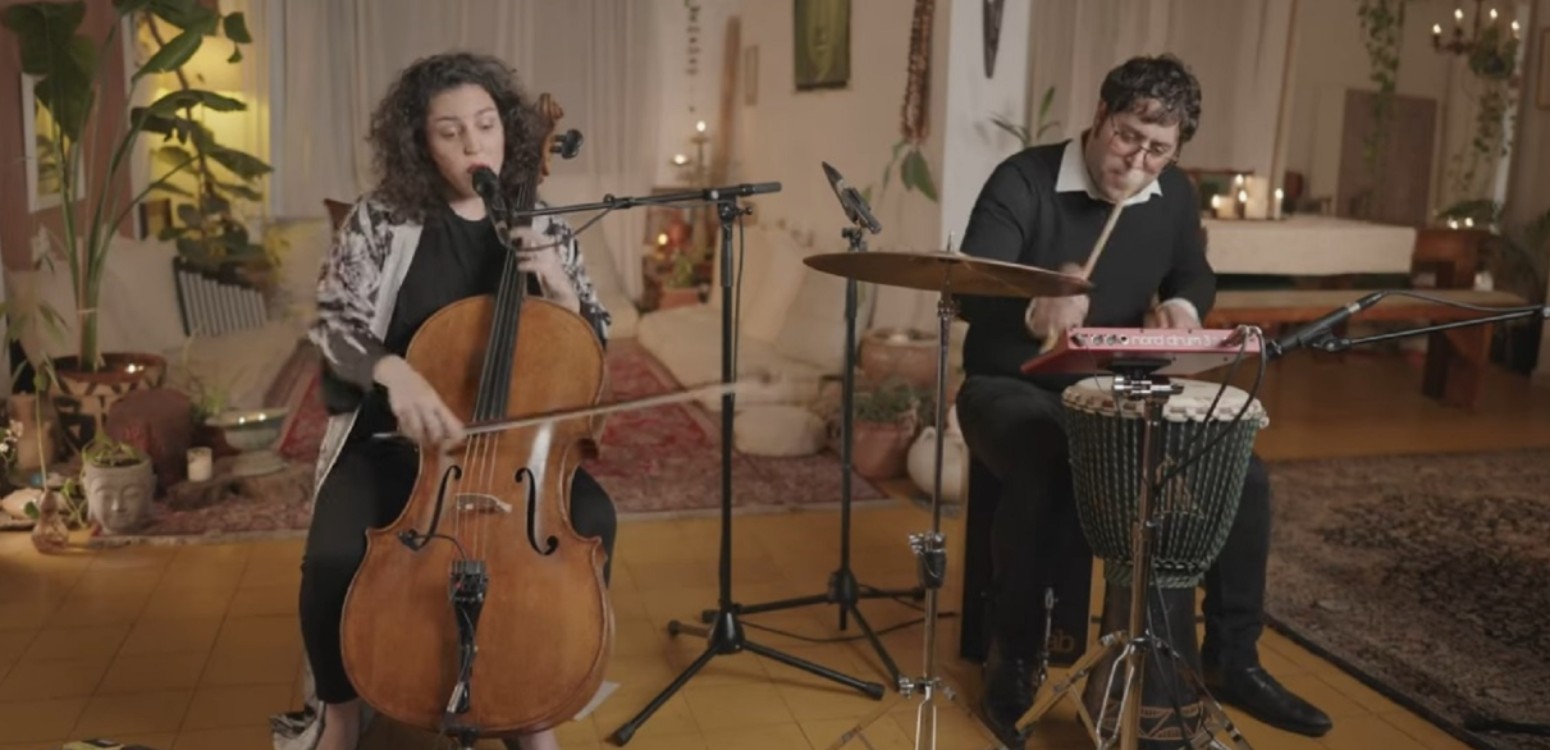
Ani Ma’amin (“I Believe”)


Dayenu is one of the most beloved piyutim associated with Passover. The song’s popularity, its catchy melody, and the sweet singing of children often conceal the remarkable audacity embedded in it.
Dayenu means “it would have been enough for us” in Hebrew – a declaration of gratitude and contentment. According to the song, there is only one thing without which nothing else would have been possible – the Exodus from Egypt. “How much good, layer upon layer, the Omnipresent has done for us; Had He brought us out of Egypt without bringing judgment upon [our oppressors], that would have been enough for us.”
Running through the piyut is a message of contentment. But alongside it lies a surprisingly subversive message: it states explicitly that had God not given us the Torah – no matter, what He had already done would have been enough. This challenges the entire hierarchy of tradition. The Exodus becomes the very center of existence. From that moment, everything else is a bonus.
Simple Dayenus
When we think of our own lives – about what can we say dayenu? In recent decades, several works have responded to this question. Interestingly, many were written by women.
When Israeli writer, poet, and songwriter Talma Alyagon-Rose reflected on this in the early 1970s, she wrote about simple daily blessings: the sun rising each day, people greeting one another in peace, being welcomed with a genuine smile – and this would be enough for us, dayenu. Unlike the Haggadah’s piyut, Alyagon-Rose turns our gaze toward life’s simple things – sunlight, a friendly greeting, the sea, flowers, and peace on earth. That is enough.
Feminist Dayenus
Early Israeli feminist Naomi Nimrod and Jewish American feminist author Esther M. Broner, who wrote the first feminist Haggadah in 1975, composed a new midrash on Dayenu. They turned to the creation story, writing that it would have been enough had Eve been created in the image of God rather than merely as a helper for Adam; had we recognized Eve as the one who gave us knowledge by eating from the forbidden tree. Their midrash sketches an alternative, feminist version of events. In one beautiful line, they suggest that if Lot’s wife had been honored rather than punished for the compassion she displayed when turning back toward her family in Sodom – dayenu.
Throughout, Nimrod and Broner essentially say: if only we had merited full recognition of the female-male partnership, a world in which every generation – women and men together – would continue to go forth from slavery, from patriarchy, from a broken world into a mended one – dayenu.
A Small Dayenu
I will add one small dayenu of my own. The tractate Pesachim addresses a technical question: if a wall separates two dwellings and has a hole in it, which resident is responsible for checking that hole for chametz? The Talmud responds poetically: “This neighbor searches to the point that his hand reaches, and that neighbor searches to the point that his hand reaches. And as for leaven found in the rest of the hole, each one renders it null and void in his heart.” (Pesachim 8a).
If this Passover Shabbat we could manage to act this way toward all the holes and gaps, the misunderstandings and unresolved grievances between people – dayenu.
Lior Tal Sadeh is an educator, writer, and author of “What Is Above, What Is Below” (Carmel, 2022). He hosts the daily “Source of Inspiration” podcast, produced by Beit Avi Chai.
For more insights into this subject, listen to “Source of Inspiration”.
Translation of most Hebrew texts sourced from Sefaria.org
Main Photo: "Dayenu", Rylands Haggadah, 14th century\ Wikipedia