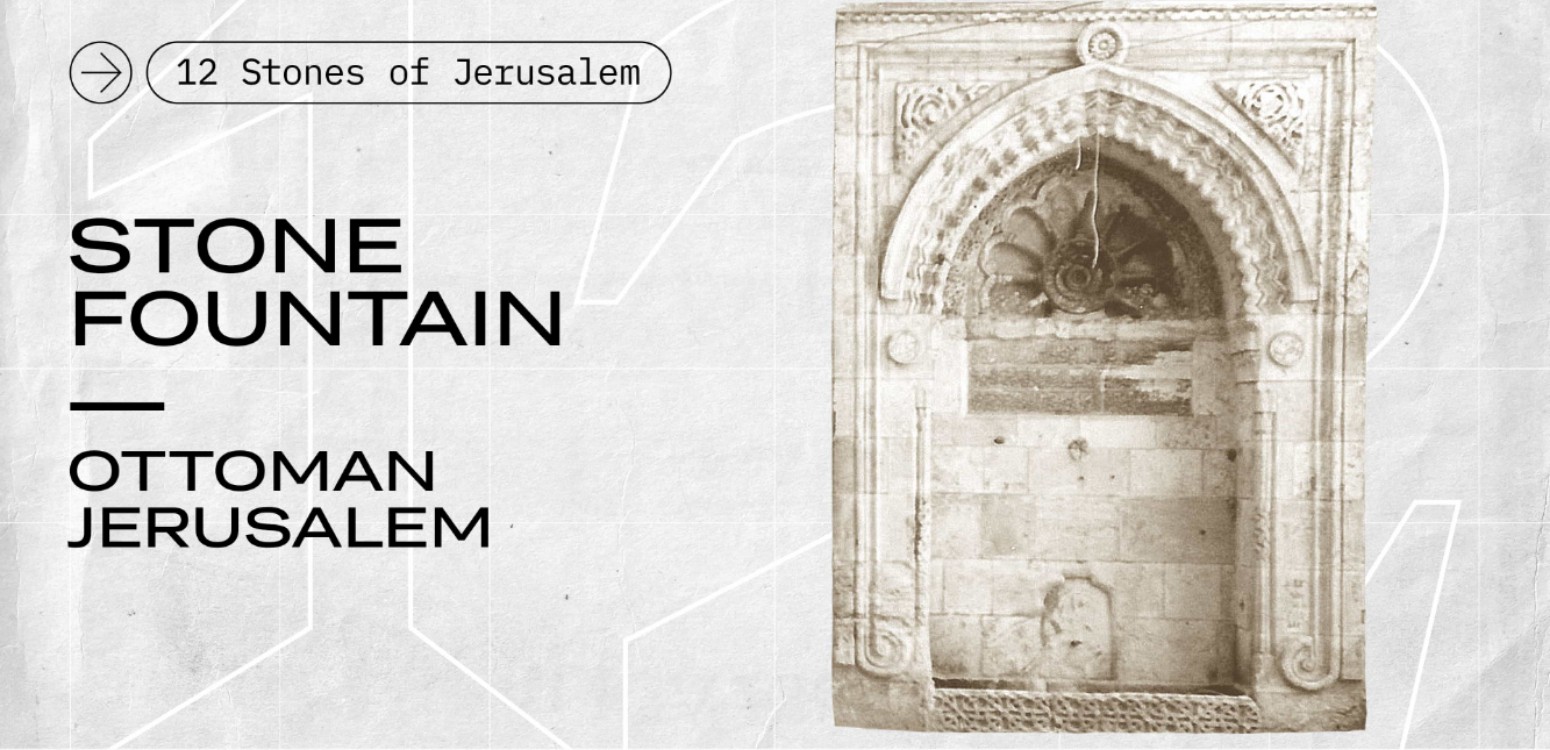
This episode explores Ottoman Jerusalem through a small but revealing monument: a stone sabil, a public drinking fountain that has stood on the city’s streets for five centuries. Beginning with this humble structure, the film traces how Jerusalem changed hands, from Crusaders to Ayyubids, Mamluks, and finally the Ottoman Turks. It shows how each new ruler reused what came before, recycling stones, buildings, and architectural ideas rather than erasing them.
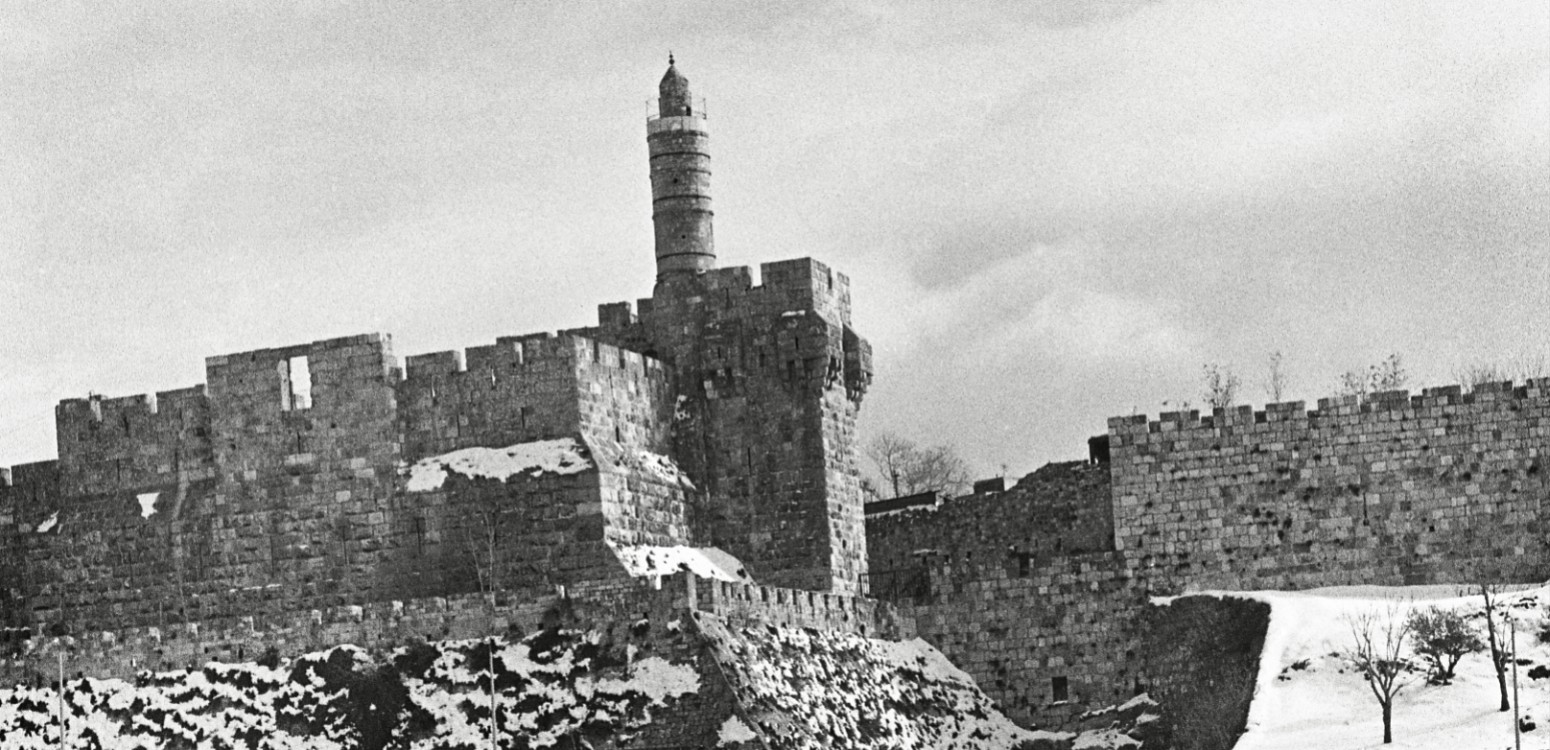
Under Sultan Suleiman the Magnificent, Jerusalem took on much of its familiar form, with new city walls, fortified gates, and a renewed water system. The episode explains how these defenses were designed for the age of gunpowder, and why they were never truly tested.
It then follows the city into the 19th century, as European powers returned, pilgrims arrived in growing numbers, and Jerusalem began to expand beyond its walls. Churches, hospitals, monasteries, and consulates reshaped the skyline, marking the city’s slow transition into the modern world.
Throughout, water remains the central theme: scarce, precious, and deeply tied to ideas of public responsibility. The sabil itself becomes a mosaic of Jerusalem’s past, built from Roman, Crusader, Mamluk, and Ottoman fragments. Through one fountain, the layered history of the city comes into focus.
Twelve Stones of Jerusalem
Model.Data.ShopItem : 0
12