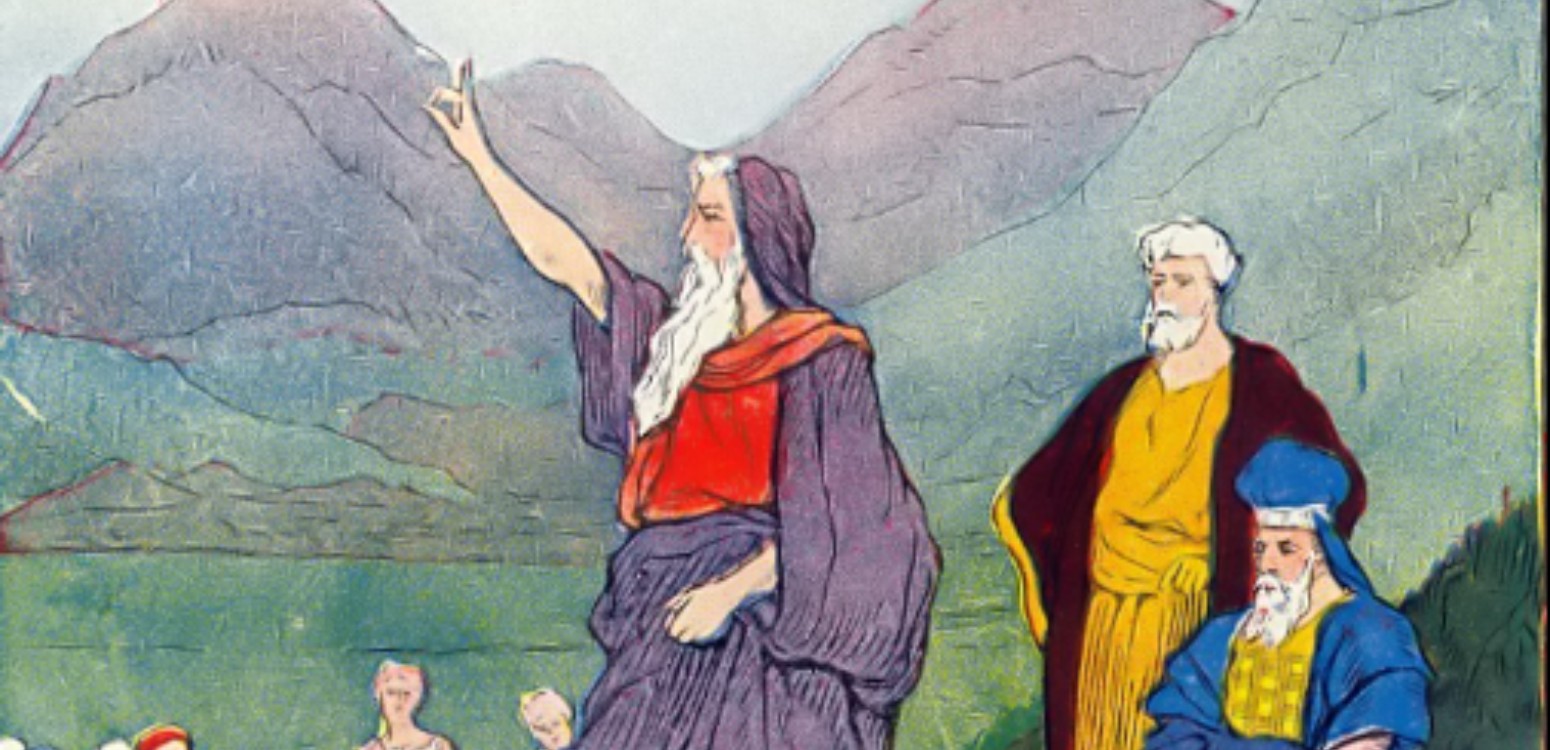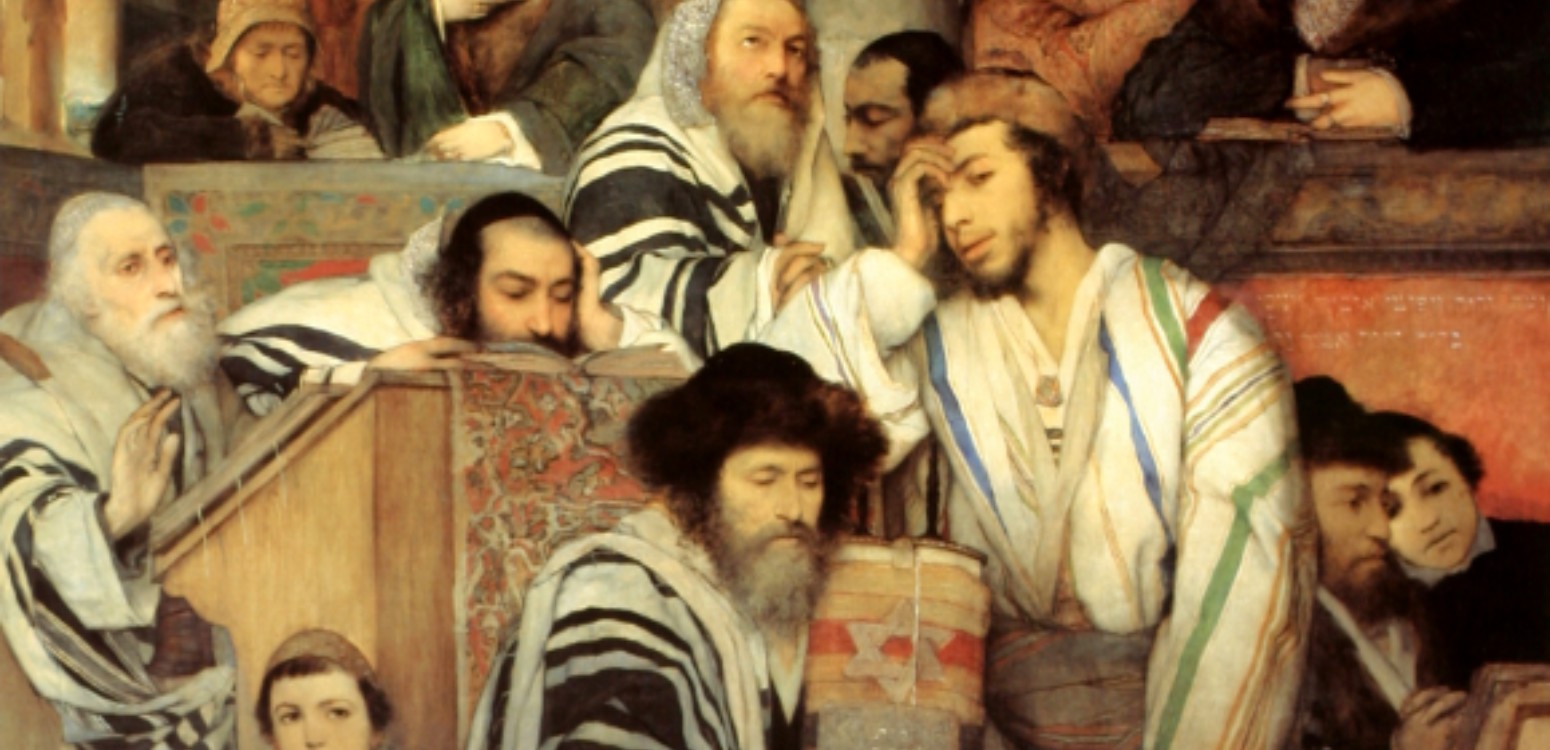


Parashat Tetzaveh: Clothes and Us Why does the Torah dedicate dozens of verses to Aaron’s priestly garments? Because clothes shape both how others see us and how we see ourselves – even affecting our abilities and moral choices By Lior Tal Sadeh
From Prison Cell to Seder Table In a new Beit Avi Chai online series, Natan Sharansky and his daughter Rachel explore how the story of freedom is lived, remembered, and transmitted across generations By Alex Stein
The Secrets of the Book of Esther Ahasuerus’ previous job, the secret relationship between Haman and Mordecai, and Esther’s hidden talent for writing. Dudu Cohen presents: ten things you didn’t know about the Book of Esther By Dudu Cohen
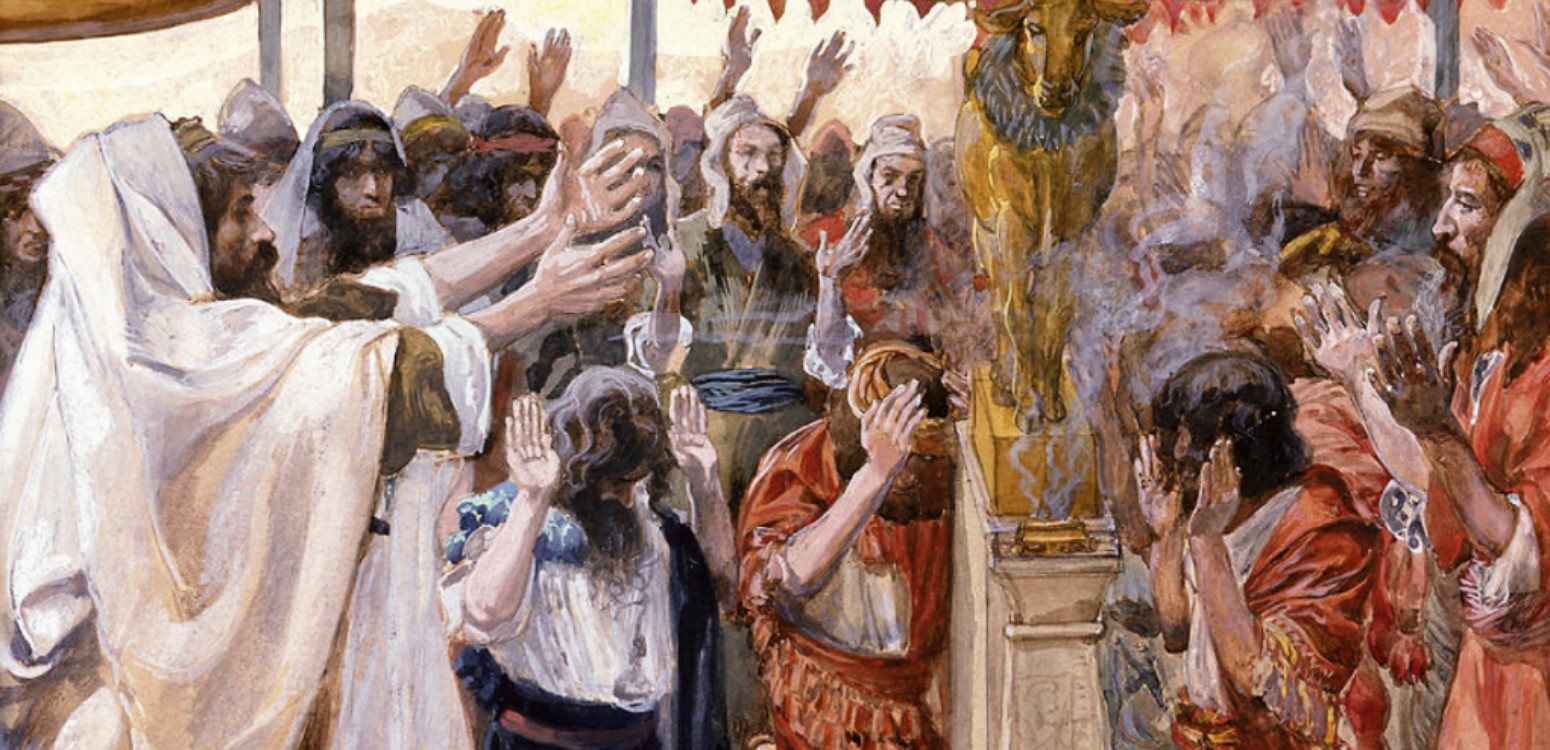
Parashat Terumah: The Face of a Child God commands golden cherubim for the Ark. What did they look like? From child-faced angels to the barometer of Israel’s devotion, exploring the mysterious symbols at Judaism’s sacred center By Lior Tal Sadeh
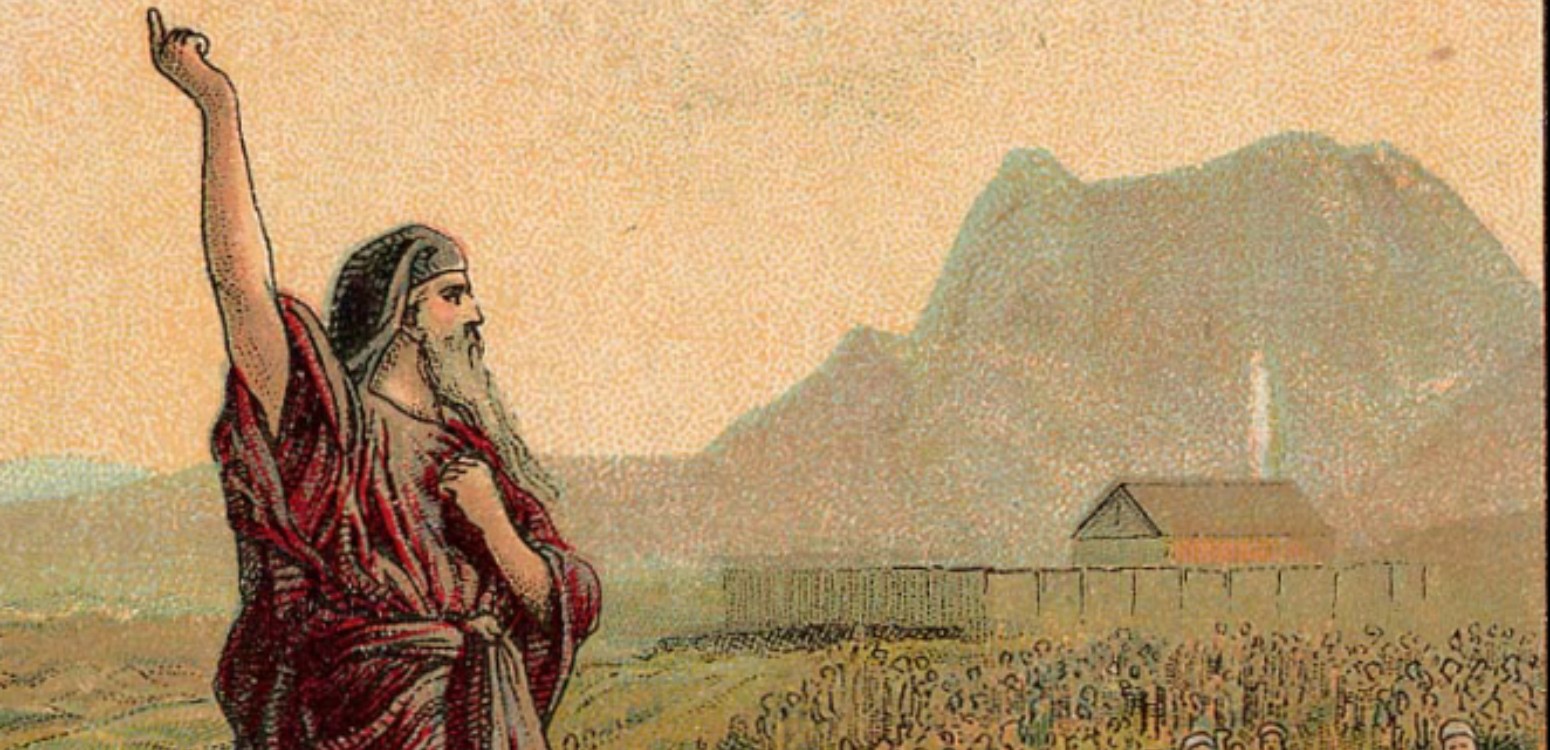
The Prophet of Exile Stripped of their land and temple, the Judean exiles could have disappeared like the Ammonites and Moabites before them. Ezekiel made sure they didn’t By Alex Stein
A Lament That Reached the Stars The journey of Zemer Nugeh: From the pain of Rachel the Poetess’ farewell to the tragedy of Ilan Ramon By Noa Sorek
When Truth Slips A conversation with artist Noga Greenberg about paralysis, returning to creation, and the role of art in wartime By Noa Sorek
Parashat Mishpatim: Serve Forever? The Torah regulates slavery rather than abolishing it. But reading Rashi’s medieval commentary reveals a remarkable interpretive effort to humanize the text By Lior Tal Sadeh
10 Facts About the Philosopher Who Reshaped the Jewish Intellectual Get to know Moses Mendelssohn – the philosopher who was also an accountant and a revolutionary, and remains a source of controversy to this day By Noa Sorek
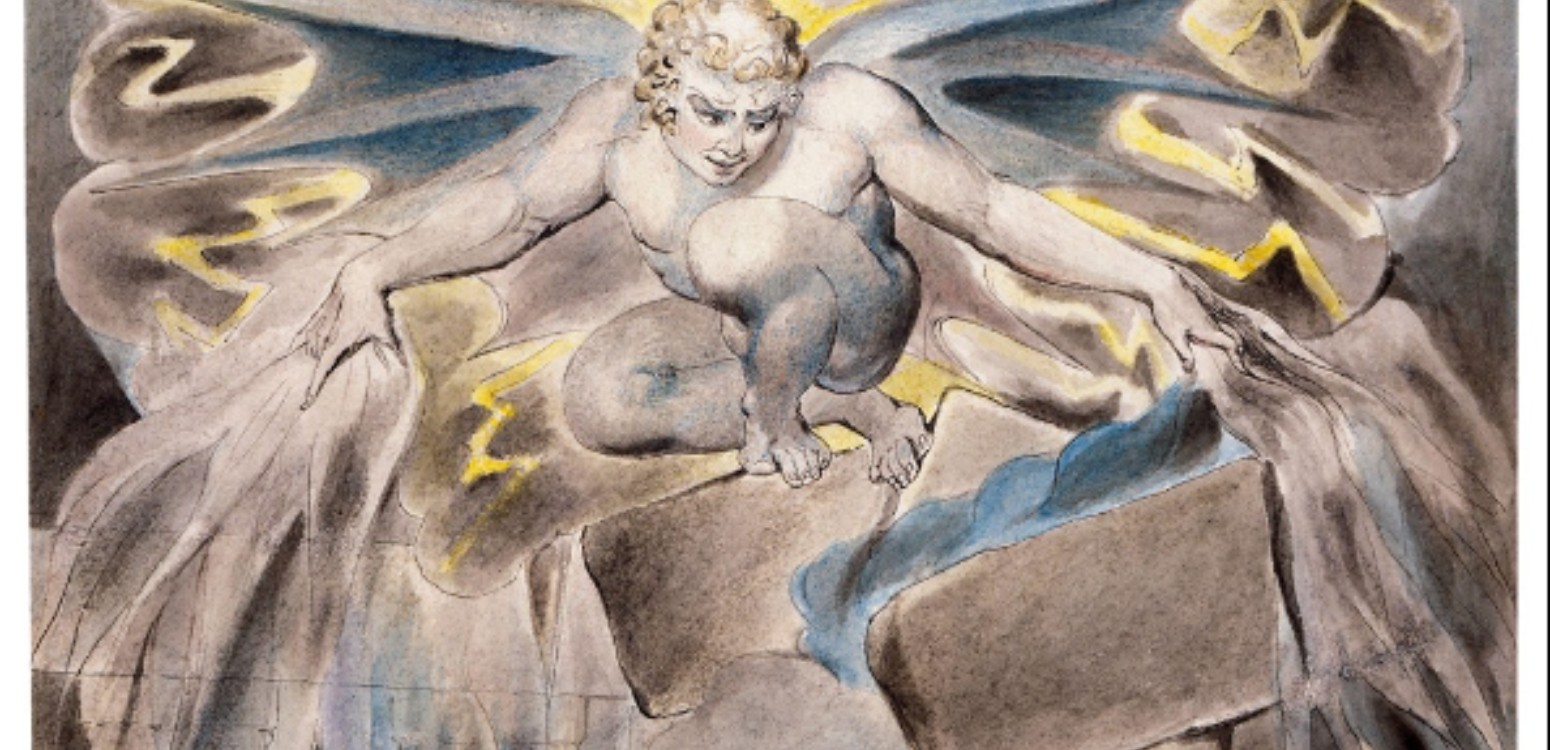
The Flashing Ever-Turning Sword Artist Raya Bruckenthal discusses creating prints of knife-winged angels and divine eyes after October 7, exploring how art responds to war without surrendering to fear or moralizing about what feelings are permissible By Noa Sorek
Parashat Yitro: You Shall Not Covet Should the Torah legislate our feelings? The prohibition against coveting raises fundamental questions about action versus desire, consent versus willingness, and about the kind of culture we want to create By Lior Tal Sadeh
A Language in Motion Through the lens of movement and displacement, Dr. Yael Levi examines how Yiddish speakers moving from the “Old World” of Europe to the “New World of America created meaning while crossing oceans, borders, and generations, and how the language itself transformed in the process By Melody Barron
The Studio is a Therapeutic Place Alon Kedem’s oil paintings explore the movement between “here and there,” capturing the tension of living in constant unrest. Painted on coarse jute canvas, his work transforms life’s difficult material into spaces for contemplation and perspective By Noa Sorek
Parashat Beshalach: The Long Short Way Sometimes the shortest path is actually the longest. From Rabbi Yehoshua’s encounters to the Israelites’ journey through wilderness, the Torah teaches that real transformation can’t be rushed By Lior Tal Sadeh